


Optimise your bedroom for deep rest. These tools minimise the light and sound that disrupt your circadian rhythm. By using blackout masks and blue light blockers, you help your brain produce melatonin naturally. Pair these with mouth tape to support nasal breathing. This ensures you wake up feeling fully restored.

Clyde Daylight – Ra Optics

Clyde Sunset – Ra Optics
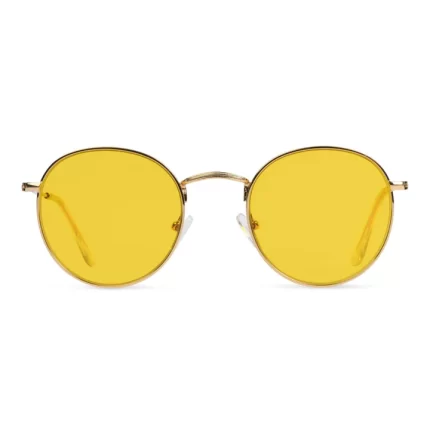
JC Daylight – Ra Optics
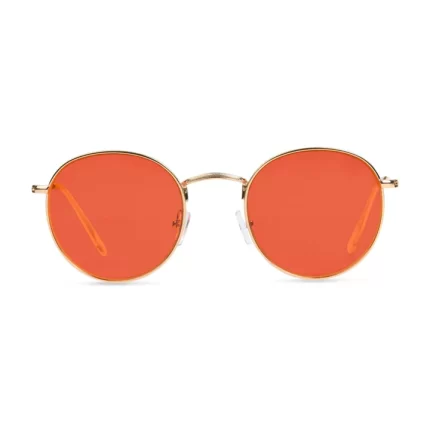
JC Sunset – Ra Optics
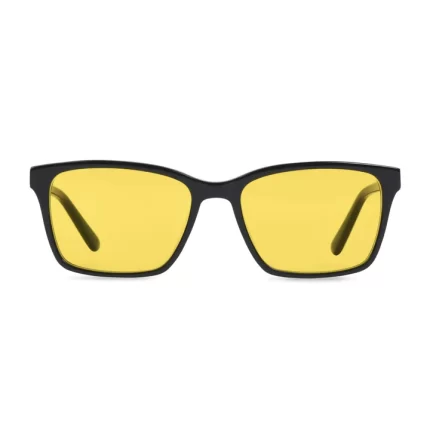
Maxwell Daylight – Ra Optics
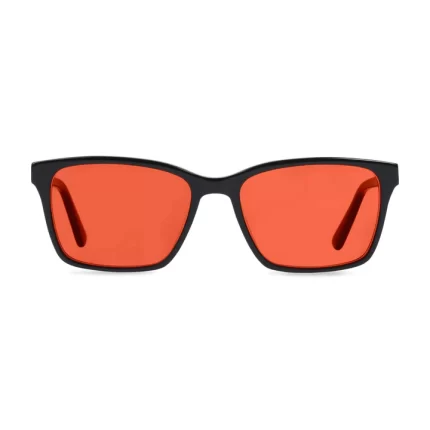
Maxwell Sunset – Ra Optics

Nate Daylight – Ra Optics
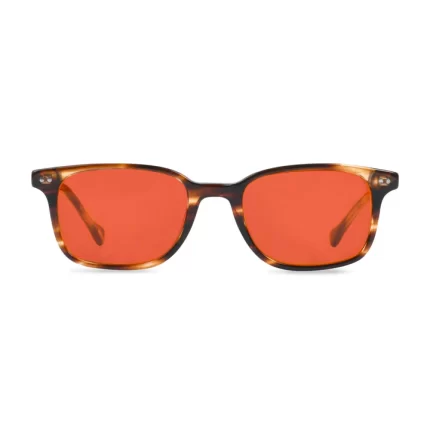
Nate Sunset – Ra Optics
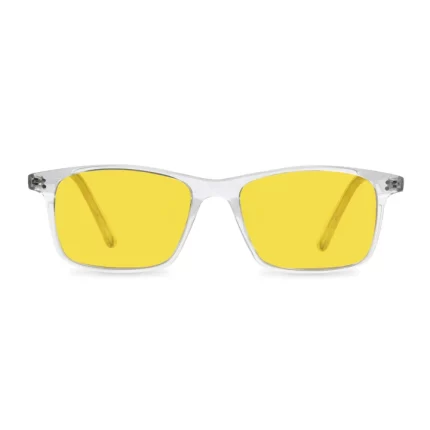
Popp Daylight – Ra Optics
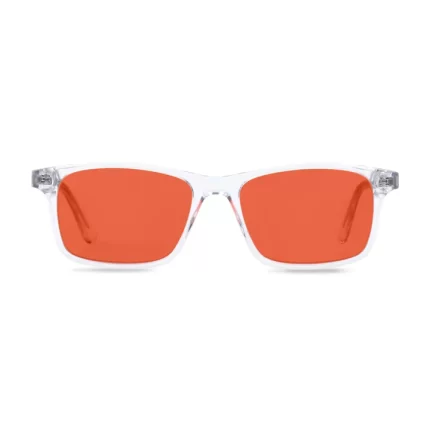
Popp Sunset – Ra Optics
Why do blue light glasses improve sleep, and what is the science behind them?
Blue light wavelengths (roughly 400–500nm) are the primary environmental signal that regulates your body's circadian clock via melanopsin-containing intrinsically photosensitive retinal ganglion cells (ipRGCs). When these cells detect blue light — especially in the evening — they signal the suprachiasmatic nucleus to suppress melatonin production and delay the onset of the biological night. Modern artificial lighting (LEDs, screens) emits disproportionate amounts of blue light and has no red/amber component, creating an artificial 'daytime' signal that delays sleep onset, reduces slow-wave and REM sleep quality, and disrupts cortisol rhythm. Blue light blocking glasses — specifically Ra Optics' Sunset lenses — filter out this melatonin-suppressing spectrum, preserving your natural sleep architecture.
What is the difference between Ra Optics Daylight and Sunset lenses?
Ra Optics offers two distinct lens types for different times of day. Daylight lenses are clear or very lightly tinted and filter only the highest-energy blue wavelengths (below 400nm) while preserving the full-spectrum, colour-accurate blue light that supports daytime alertness, mood, and cognitive performance. They are designed for all-day screen use without distorting colour perception or reducing productivity. Sunset lenses are deep amber or red-tinted and block the entire blue and green light spectrum (up to approximately 550nm), specifically for use in the 2–3 hours before bed. This comprehensive blockade of the melatonin-suppressing wavelengths allows your biological night to begin on schedule, regardless of screen or artificial light exposure.
What makes Ra Optics glasses different from cheaper blue light glasses?
The blue light filtering market ranges from scientifically validated, optician-quality optics to cheap lenses that block negligible amounts of relevant light. Ra Optics is founded by biohacking researcher Matt Maruca and prioritises spectral accuracy above aesthetics or price. Their Sunset lenses are spectrally validated to block virtually 100% of melatonin-suppressing wavelengths (verified by independent laboratory spectrophotometry), rather than the partial filtering offered by most consumer blue light glasses. The frames are also crafted for all-day wearability — with the Clyde, Maxwell, Nate, JC, and Popp frames offering distinct styles from classic to contemporary, so there is no compromise between circadian health and personal style.
When exactly should I wear Daylight versus Sunset Ra Optics glasses during the day?
The optimal protocol is: Daylight lenses throughout the day whenever you are working at screens or under artificial LED lighting, to protect against the chronic neurological fatigue and mild melatonin suppression caused by cumulative all-day blue light exposure. Switch to Sunset lenses approximately 2–3 hours before your intended sleep time, and keep them on until you are in bed in the dark. The transition point matters: the circadian response to light is most sensitive in the hours before sleep onset, so even 20–30 minutes of unfiltered blue light exposure during this window can significantly delay and degrade sleep quality. Many users report a noticeable increase in evening sleepiness within the first few nights of consistent Sunset lens use.
Can blue light glasses help with conditions beyond sleep, such as eye strain or headaches?
Yes — daytime blue light management has benefits beyond sleep quality. High-intensity blue light exposure during extended screen time is associated with digital eye strain (asthenopia), characterised by eye fatigue, dryness, headache, and blurred vision. Ra Optics Daylight lenses reduce the energetic burden on the visual processing system throughout the day, with many users reporting significant reduction in afternoon eye fatigue and headaches within the first week of use. There is also emerging evidence connecting chronic blue light overexposure to accelerated retinal ageing (photoreceptor damage), making daytime blue light filtering a long-term preventative measure alongside its circadian sleep benefits.