


The Gut–Brain Connection Explained: How Stress Affects Your Digestion

Many people experience digestive discomfort without a clear cause. Bloating, stomach pain, irregular bowel movements, or flare-ups of IBS often appear during stressful periods, even when the diet hasn’t changed. This is not a coincidence.
The gut and the brain are deeply connected. Understanding this relationship helps explain why stress affects digestion and why improving gut health often requires supporting mental and nervous system balance as well. In this article, we explain the gut–brain connection in simple terms and explore how stress influences digestion — and what you can do to support both naturally.
Why Gut Health and Mental Health Are Closely Linked
Digestive issues are often treated as purely physical problems, yet many people notice their symptoms worsen during emotionally demanding or stressful times. Work pressure, poor sleep, and constant mental stimulation all influence how the digestive system functions.
This connection exists because the gut and the brain are in constant communication. When stress becomes chronic, that communication can become disrupted, affecting digestion, appetite, and even gut bacteria. Understanding how this system works is the first step towards meaningful, long-term improvement.
What Is the Gut–Brain Connection?
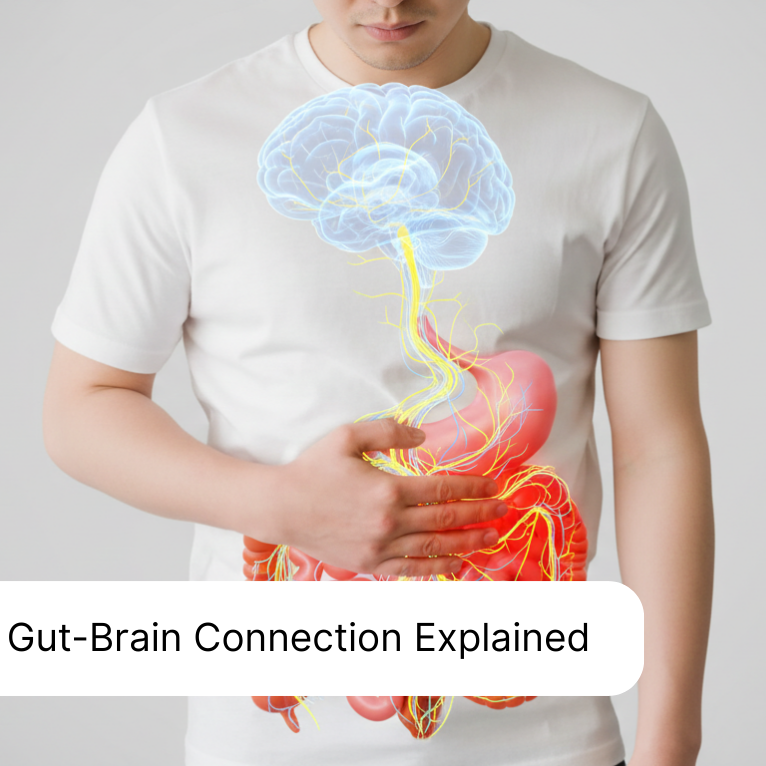
The gut–brain connection refers to the two-way communication between the digestive system and the brain. This communication network is known as the gut–brain axis.
Signals travel continuously between the brain and the gut through nerves, hormones, and chemical messengers. This means that emotional stress can influence digestion, and digestive imbalance can also affect mood, focus, and emotional well-being.
The Role of the Nervous System
The gut has its own complex nervous system, often called the enteric nervous system. It works alongside the central nervous system and plays a key role in digestion, gut movement, and enzyme release.
A major pathway connecting the gut and brain is the vagus nerve, which carries information in both directions. When the nervous system is calm, digestive processes work more efficiently. When the body is under stress, digestion is often disrupted.
Why the Gut Is Called the “Second Brain”
The gut produces a large proportion of the body’s neurotransmitters, including serotonin, which is closely linked to mood regulation. This is why digestive health and mental health are so closely intertwined, and why gut issues can influence how we feel emotionally.
How Stress Affects Digestion
Stress triggers the body’s “fight or flight” response. While this response is useful in short bursts, it becomes problematic when activated too often. During stress, blood flow is redirected away from the digestive organs towards muscles and the brain. This reduces digestive efficiency, slows enzyme production, and alters gut movement. As a result, food may not be broken down or absorbed properly. Chronic stress can also increase gut sensitivity, making normal digestive sensations feel uncomfortable or painful. Over time, this can contribute to persistent digestive symptoms.
Common Digestive Symptoms Linked to Stress
Many stress-related digestive symptoms are familiar to people across the UK. These include frequent bloating, excess gas, constipation or diarrhoea, stomach cramps, and nausea. Some people notice a loss of appetite, while others experience cravings or irregular eating patterns.
For individuals with conditions such as IBS, stress often acts as a trigger for symptom flare-ups. This does not mean the symptoms are “all in the head”, but rather that the gut–brain connection is highly sensitive.
The Role of the Gut Microbiome in Mental Health
The gut microbiome refers to the trillions of bacteria living in the digestive tract. These bacteria play a role in digestion, immune function, and neurotransmitter production.
Stress can alter the balance of gut bacteria by changing gut motility, inflammation levels, and digestive secretions. When the microbiome becomes imbalanced, digestive discomfort may increase, and mood regulation can also be affected.
Emerging research continues to explore how supporting a healthy microbiome may benefit both gut and mental health, highlighting the importance of a whole-body approach.
Nervous System Regulation and Gut Health
Digestion functions best when the body is in a parasympathetic, or “rest and digest”, state. This state allows for proper enzyme release, nutrient absorption, and gut movement.
When the nervous system remains in a stressed, sympathetic state, digestion becomes secondary. Supporting nervous system regulation can therefore play a significant role in improving gut symptoms.
Gentle practices that promote calm — such as slow breathing, mindful movement, and reducing sensory overload — help signal safety to the nervous system and support digestive function.
Natural Ways to Support the Gut–Brain Connection
Improving the gut–brain connection does not require extreme changes. Small, consistent habits can make a meaningful difference. Reducing stress around meals is particularly important. Eating slowly, sitting down without distractions, and allowing time for digestion can improve gut responses. Gentle movement, such as walking after meals, also supports digestion without adding stress. Breathing techniques that slow the breath and extend the exhale help calm the nervous system, indirectly supporting gut health. Prioritising regular sleep patterns further strengthens this connection, as sleep plays a key role in both nervous system and digestive regulation.
The Role of Diet in Gut–Brain Health
Diet influences gut health, but it works best when combined with stress awareness. Fibre-rich foods support healthy gut bacteria, while fermented foods can contribute beneficial microbes.
In the UK, high caffeine intake, alcohol consumption, and ultra-processed foods may aggravate digestive symptoms, especially during stressful periods. Moderation, rather than restriction, is often the most sustainable approach.
Hydration is also essential. Dehydration can affect digestion and gut motility, making symptoms more noticeable.
Can Technology Support the Gut–Brain Connection?
Wearable devices and biofeedback tools can help increase awareness of stress patterns. By tracking indicators such as heart rate variability, individuals may recognise when stress levels are high and take steps to regulate before digestive symptoms worsen. Technology should be viewed as a supportive tool rather than a solution on its own. Real improvement comes from combining awareness with healthy daily habits.
How Long Does It Take to Improve the Gut–Brain Connection?
Some people notice digestive relief within days of reducing stress or adjusting routines. Long-term improvement in gut health, however, often takes weeks or months of consistent support. Symptoms may fluctuate, especially during stressful periods, but steady improvement is a sign that the gut–brain axis is becoming more resilient.
Common Myths About Gut Health and Stress
One common myth is that digestive problems are only caused by food. In reality, stress plays a significant role. Another misconception is that quick fixes work for everyone. Gut health is highly individual and responds best to personalised, sustainable changes. Understanding the gut–brain connection helps move away from blame and towards informed, compassionate care.
When to Seek Professional Support
If digestive symptoms are persistent, severe, or worsening, professional guidance is important. Speaking with a GP, dietitian, or gastroenterologist can help rule out underlying conditions and provide tailored support. Mental health support may also be beneficial when stress or anxiety significantly impacts digestion.
A Holistic Approach to Gut–Brain Health
The gut–brain connection explains why stress and digestion are so closely linked. Supporting one without the other often leads to limited results. By addressing nervous system balance, daily habits, and gut health together, it is possible to improve digestion and overall well-being more sustainably.
Since stress drives most gut-brain symptoms, pairing dietary changes with our stress and anxiety reduction protocol addresses the upstream cause rather than only the symptom.
For the full picture of how stress reaches the gut via the vagus nerve, see our guide on nervous-system regulation.