

Blog
What is Best for Anti-Aging That Really Works

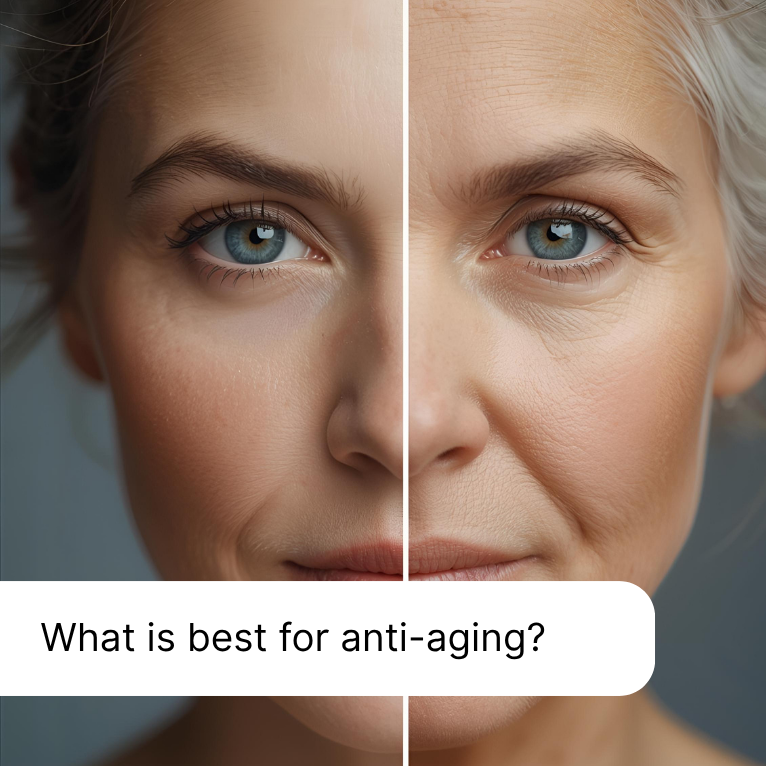
Aging is a natural part of life, yet humanity has long sought ways to slow its visible effects. In recent years, anti-aging has evolved from a cosmetic concern into a scientific and holistic pursuit that blends dermatology, nutrition, and lifestyle management. The goal is not to stop time but to age gracefully — maintaining vitality, confidence, and youthful radiance.
The Growing Obsession with Anti-Aging
In the modern world, appearance plays a vital role in personal and professional confidence. The rise of high-definition media, social networks, and health awareness has created a global fascination with anti-aging solutions. People are increasingly conscious of maintaining youthful, healthy skin well into their later years. The demand for effective anti-aging products and treatments continues to rise, supported by breakthroughs in skincare science and technology.
Why Everyone Wants to Know What Really Works
Despite the abundance of products and information, many individuals remain uncertain about which methods truly deliver results. The market is saturated with conflicting advice and exaggerated claims. What truly works is a balanced combination of scientifically proven ingredients, proper skincare routines, healthy nutrition, and consistent lifestyle habits. Understanding how aging works at a cellular level allows for targeted interventions that genuinely improve skin health.
What Is Anti-Aging?
Anti-aging refers to methods that delay, prevent, or minimize visible and biological signs of aging. It encompasses skincare, nutrition, stress management, and modern medical treatments designed to enhance the body’s natural repair mechanisms.
The Science Behind the Aging Process
Aging is primarily influenced by two factors: intrinsic aging, which is natural and genetic, and extrinsic aging, which results from environmental exposure and lifestyle. As we age, the skin’s production of collagen, elastin, and hyaluronic acid diminishes. These substances keep the skin firm, smooth, and hydrated. External stressors such as UV radiation, pollution, and oxidative stress accelerate collagen breakdown, leading to wrinkles, sagging, and uneven tone.
How Skin Ages Over Time
During the 20s, collagen production begins to decline gradually. By the 30s, early fine lines and mild pigmentation often appear. In the 40s and beyond, cell turnover slows, the skin barrier weakens, and moisture retention decreases, making wrinkles more visible and texture rougher. Hormonal changes during menopause further contribute to dryness and loss of elasticity. Understanding these stages helps in selecting the right treatments at the right time.
Common Myths About Anti-Aging
Many misconceptions surround anti-aging. One of the most common is that only expensive skincare can make a difference — yet research shows that effectiveness depends on active ingredients and proper use, not price. Another myth is that starting young is unnecessary; in fact, preventive measures in one’s 20s and 30s are key to maintaining youthful skin later. Finally, some believe anti-aging efforts are purely cosmetic, but true anti-aging also enhances internal health and well-being.
How to Stop Aging Skin Naturally
Nature offers effective, sustainable ways to slow down the aging process. The foundation of youthful skin begins with healthy habits, proper diet, and lifestyle moderation.
Lifestyle Habits That Accelerate Aging
Certain daily choices can speed up visible aging. Smoking constricts blood vessels and damages collagen fibers, while excessive alcohol dehydrates the skin and causes inflammation. High sugar intake leads to glycation — a process that weakens collagen and elasticity. Chronic stress and lack of sleep elevate cortisol levels, breaking down skin structure over time. Avoiding these habits can prevent premature signs of aging.
Foods That Keep Your Skin Youthful
Nutrition has a profound impact on skin health. Antioxidant-rich foods such as berries, spinach, and green tea help neutralize free radicals. Omega-3 fatty acids found in salmon, flaxseeds, and walnuts maintain the skin’s lipid barrier and prevent dryness. Vitamin-rich fruits and vegetables, particularly those containing vitamin C and E, support collagen synthesis and protect against UV damage. A diet emphasizing whole, unprocessed foods promotes overall vitality and longevity.
The Power of Sleep and Hydration in Anti-Aging
During deep sleep, the body releases growth hormones that repair and regenerate skin tissue. Poor sleep reduces blood flow to the skin and causes dullness and puffiness. Similarly, adequate hydration ensures that cells remain plump and elastic. Drinking water consistently throughout the day and using hydrating skincare products helps maintain moisture balance and prevent fine lines caused by dryness.
Skincare Routine That Truly Makes a Difference
An effective anti-aging skincare routine combines protection, nourishment, and regeneration. Consistency and proper product layering are crucial for visible results.
Morning Rituals to Protect Your Skin
A morning routine should focus on protection. Begin with a mild cleanser, followed by an antioxidant serum to combat free radicals. A lightweight moisturizer helps retain hydration, while broad-spectrum sunscreen shields the skin from harmful UV rays. Incorporating products with niacinamide or vitamin C can also brighten and protect against environmental stressors.
Nighttime Routine for Skin Renewal
Evening routines are designed to restore. Cleansing removes makeup and pollutants, preparing the skin for deeper treatment. Applying a retinol-based product promotes cell turnover and collagen production. A rich night cream or facial oil can lock in moisture and repair the skin barrier overnight. Consistent use enhances elasticity, reduces fine lines, and improves overall tone.
Importance of Sunscreen in Slowing Aging
Sun exposure remains the leading cause of premature skin aging. UVA and UVB rays damage collagen and cause pigmentation, wrinkles, and even skin cancer. Daily use of sunscreen with at least SPF 30, regardless of weather or season, is essential. Reapplication every few hours ensures continuous protection and is the most cost-effective anti-aging practice available.
Ingredients That Are Proven to Work
Scientific advancements have identified specific ingredients that effectively target signs of aging and restore skin vitality.
Retinol: The Gold Standard of Anti-Aging
Retinol, a derivative of vitamin A, accelerates cell renewal and increases collagen synthesis. It smooths fine lines, minimizes pores, and improves overall texture. Beginners should start with low concentrations to avoid irritation and gradually build tolerance.
Hyaluronic Acid: Deep Hydration for Fine Lines
Hyaluronic acid attracts and retains water molecules, keeping the skin hydrated and plump. It instantly reduces the appearance of dryness-induced wrinkles and enhances the absorption of other active ingredients.
Vitamin C: Brightening and Collagen Boosting
Vitamin C is a powerful antioxidant that combats free radical damage and brightens the complexion. It supports collagen formation and improves uneven tone. Using a stabilized form ensures better absorption and long-term effectiveness.
Peptides and Ceramides: Skin Repair Warriors
Peptides act as messengers that stimulate collagen production, while ceramides strengthen the skin barrier and prevent water loss. Together, they promote firmness, resilience, and smoothness, essential for youthful-looking skin.
The Best Anti-Aging Devices You Can Use
Technological advancements have made professional treatments accessible for home use, offering visible improvements with regular application.
LED Light Therapy: Boosting Collagen Naturally
Red LED light therapy stimulates fibroblasts, the cells responsible for producing collagen and elastin. It also improves circulation and reduces inflammation. Regular sessions enhance texture and reduce fine lines without discomfort.
Derma Rollers: Stimulating Skin Regeneration
Derma rollers create micro-channels in the skin, encouraging natural collagen production and improving product penetration. This controlled injury process helps smooth scars, refine texture, and minimize wrinkles over time.
Ultrasonic Facial Devices: Deep Cleansing and Toning
Ultrasonic devices use sound wave technology to cleanse pores, enhance serum absorption, and improve blood flow. Consistent use tones facial muscles and promotes a firmer, lifted appearance.
Nutrition and Supplements for Youthful Skin
Proper nutrition provides the body with the building blocks needed for regeneration. Supplements can complement a diet and strengthen the skin from within.
Collagen Supplements: Do They Work?
Recent research supports the effectiveness of collagen peptides in improving skin elasticity and hydration. Regular intake over several months can reduce fine lines and promote firmness, particularly in mature skin.
Antioxidant-Rich Foods to Slow Aging
Antioxidants protect skin cells from oxidative stress, one of the main causes of aging. Foods like blueberries, green tea, and tomatoes provide essential compounds that defend against environmental damage and maintain youthful radiance.
Essential Vitamins for Skin Health
Vitamins A, C, D, and E each play distinct roles in maintaining healthy skin. Vitamin A supports regeneration, vitamin C builds collagen, vitamin D regulates cell growth, and vitamin E protects against free radicals. Including these nutrients in daily meals enhances both health and appearance.
Exercise and Anti-Aging
Physical activity supports circulation, boosts oxygen flow, and delivers nutrients that maintain cell health.
How Regular Movement Boosts Collagen
Exercise promotes the production of collagen and elastin while improving skin tone. Activities such as yoga and strength training also reduce stress hormones, contributing to clearer, more youthful-looking skin. Regular movement supports not just the body but also the complexion.
Mind and Stress Management in Anti-Aging
Psychological well-being directly affects skin health. Chronic stress accelerates aging by disrupting hormonal balance and causing inflammation.
How Stress Speeds Up Aging
Elevated cortisol levels degrade collagen and slow down skin repair processes. Stress can also trigger breakouts and increase sensitivity. Managing stress is as vital as any skincare product in preserving youthfulness.
Meditation and Mindfulness for a Youthful Glow
Practices such as meditation, breathing exercises, and mindfulness reduce cortisol levels and improve sleep quality. A calm mind reflects outwardly as smoother, more radiant skin. Consistent mindfulness routines support both mental clarity and physical vitality.
Personalized Anti-Aging for Lasting Results
The most effective anti-aging strategy lies in a holistic approach that integrates consistent skincare, balanced nutrition, regular physical activity, and emotional well-being while minimizing exposure to environmental stressors. Sustainable results come not from instant solutions or miracle products, but from evidence-based practices and daily commitment. Each individual’s skin and body respond differently, making it essential to design a personalized anti-aging plan that aligns with specific skin types, lifestyle habits, and health goals. When skincare, nutrition, and mental wellness are harmonized, they not only delay visible signs of aging but also promote a radiant complexion, renewed energy, and long-term confidence.
For a tested, evidence-led sequence rather than single tools, see our Holosophy skin anti-aging protocol.