


Boost natural collagen and elastin with medical-grade light therapy. These devices deliver specific wavelengths of red light deep into the skin. This reduces oxidative stress and speeds up cell repair. It is a non-invasive way to smooth fine lines and restore a youthful texture to your skin.

UltraLux Foldaway Sauna

UltraLux Red Cap
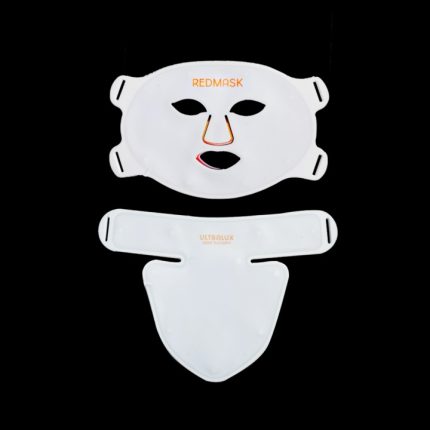
UltraLux Red Mask

UltraLux Red Max

UltraLux Red Max Adjustable Stand

UltraLux Red Mini

UltraLux Red Pro

UltraLux Red Wrap
How does red light therapy slow the ageing process at a cellular level?
Red light therapy (also called photobiomodulation) uses specific wavelengths of red (630–660nm) and near-infrared (810–850nm) light to penetrate skin and underlying tissue and stimulate mitochondrial function. The primary mechanism involves cytochrome c oxidase — a mitochondrial enzyme that absorbs red and NIR photons — triggering a cascade of cellular effects: increased ATP production (more cellular energy), upregulation of collagen and elastin synthesis by dermal fibroblasts, accelerated cellular repair via reduced oxidative stress, and enhanced circulation and lymphatic drainage. At an anti-ageing level, these effects translate directly to improved skin texture, reduced fine lines, accelerated wound healing, and protection against UV-induced photodamage.
What is the difference between the UltraLux Red Cap, Mask, Mini, Pro, and Max?
The UltraLux Red range is designed for different treatment areas and use cases. The Red Mask delivers red and NIR light to the entire face for skin rejuvenation, collagen stimulation, and acne reduction. The Red Cap targets the scalp specifically — using clinical wavelengths shown to stimulate hair follicle activity and reduce hair loss (photobiomodulation is one of the only evidence-based non-pharmaceutical interventions for androgenic alopecia). The Red Mini is compact and portable, suitable for targeted spot treatment of smaller areas. The Red Pro is a professional-grade handheld device for deeper tissue penetration and localised treatment. The Red Max is a full-panel system for whole-body red light therapy — the most comprehensive anti-ageing and recovery application.
What does the UltraLux Foldaway Sauna add to an anti-ageing protocol?
Infrared sauna therapy complements red light therapy through a distinct but synergistic mechanism. Where red/NIR light works at a cellular photobiomodulation level, infrared sauna heat penetrates deeply into tissues, inducing beneficial heat shock proteins that protect cells against stress-related damage, accelerating heavy metal and toxin excretion through sweat, reducing systemic inflammatory burden, improving cardiovascular function (with effects comparable to moderate exercise), and triggering heat-related hormetic responses that activate longevity pathways. The UltraLux Foldaway Sauna brings this spa-level intervention into the home without requiring a dedicated room, with a portable fold-flat design that stores easily.
How frequently should I use red light therapy devices to see anti-ageing results?
Clinical evidence for photobiomodulation anti-ageing protocols typically involves 3–5 sessions per week, with sessions of 10–20 minutes per treatment area. For skin rejuvenation with the UltraLux Red Mask, daily use is safe and accelerates results — most users report noticeable improvement in skin tone, texture, and luminosity within 4–6 weeks of consistent daily use. For hair loss applications with the Red Cap, clinical trials typically use 3 sessions per week for a minimum of 16 weeks to assess meaningful hair density changes. Unlike many aesthetic interventions, red light therapy produces cumulative benefits: the longer you maintain a consistent protocol, the more pronounced and durable the results.
Is red light therapy safe for home use, and are there any contraindications?
Red and near-infrared light therapy is considered extremely safe for home use at the wavelengths and power densities used in consumer devices like the UltraLux Red range. Unlike UV light, red and NIR wavelengths do not damage DNA or cause sunburn, and there is no evidence of carcinogenic risk. The primary safety precautions are: avoid direct eye exposure at close range (use provided eye protection during facial treatments); do not use over active cancerous lesions without oncologist guidance; exercise caution if taking photosensitising medications (some antibiotics and NSAIDs increase skin sensitivity to light). Pregnant women should consult their GP before beginning any new phototherapy protocol as a precautionary measure.