


Sleep Tips for Men: Beat Stress-Related Insomnia

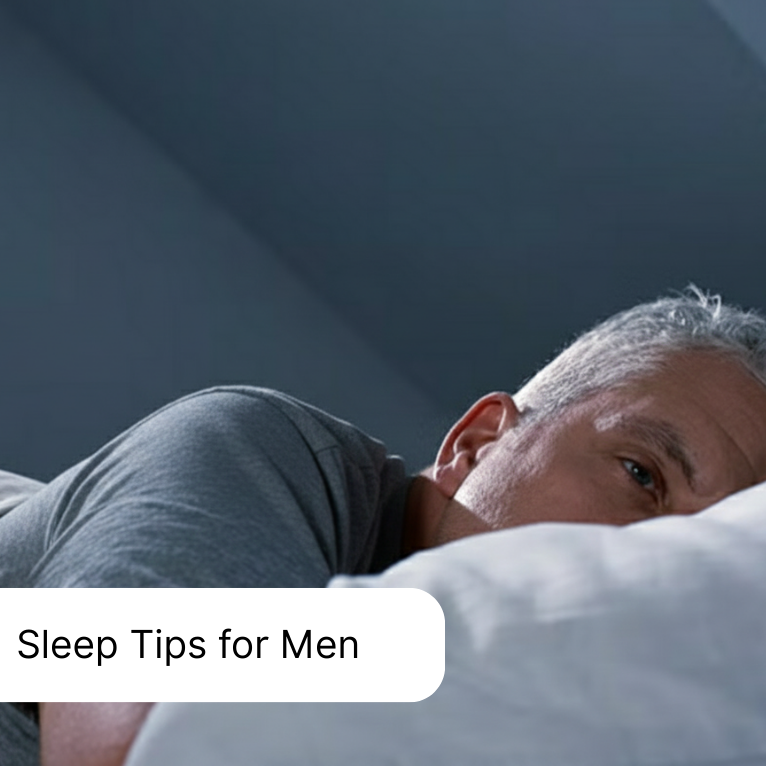
Stress-related insomnia is one of the most common yet most overlooked issues affecting men in the UK today. Long working hours, financial pressure, hormonal shifts, and the quiet expectation that men should “just get on with it” all take a toll on sleep health. When stress builds up, the nervous system becomes overstimulated, making it difficult for the brain and body to unwind at night.
This guide explores why men struggle with stress-related sleep problems, how stress hormones affect rest, and what techniques truly help restore healthy sleep patterns. It focuses on science-backed advice, written in a warm, practical, and supportive tone—designed to help men regulate their nervous system and sleep more deeply.
Why Men Struggle With Stress & Sleep
Many men in the UK experience high levels of stress linked to work expectations, relationship pressures, and financial concerns. Over time, these stressors cause the sympathetic nervous system to remain switched on, keeping the body in a state of alertness long after the day is over. This makes falling asleep—and staying asleep—much harder.
Cultural expectations play a role, too. Men are often encouraged to appear resilient and unemotional, leading many to bottle up stress rather than process it. When stress remains unexpressed, the tension shows up in the body at night: racing thoughts, tight muscles, shallow breathing, and constant restlessness.
Other common sleep disruptors for men include:
- High caffeine intake
- Late-night screen use
- Irregular routines
- Heavy evening meals
- Overworking or late-night thinking sessions
Stress-related insomnia is not a personal failure; it’s a physiological response to chronic strain.
Hormones, Stress & Sleep Quality
Hormones play a major role in the male sleep experience. When stress rises, cortisol spikes—and evening cortisol is a known sleep disruptor. Chronic stress flattens the natural rhythm of cortisol, meaning the body struggles to shut down properly at night.
Testosterone also influences sleep. Poor sleep reduces testosterone levels, but low testosterone itself further worsens sleep quality—creating a frustrating cycle many men find difficult to break.
Additionally:
- Adrenaline and noradrenaline keep the heart rate elevated.
- Melatonin is suppressed when stress hormones dominate.
- Blood pressure stays high, preventing deep sleep.
Balancing the nervous system is key. When the parasympathetic system activates, the body shifts into “rest and digest,” lowering cortisol and creating the ideal environment for restorative sleep.
Sleep Solutions for Men
Here are practical, science-backed techniques that help men regulate their nervous system, reduce stress, and fall asleep more easily.
Deep Breathing
Slow, controlled breathing signals the brain that the body is safe. This reduces cortisol, eases muscle tension, and encourages the parasympathetic nervous system to engage.
Even five minutes of deep breathing can slow the heart rate and quiet busy thoughts.
Try the 4-6 technique:
- Inhale for 4 seconds
- Exhale for 6 seconds
- Repeat for 3–5 minutes
A longer exhale naturally calms the stress response.
Temperature Regulation
Men often have warmer core body temperatures at night, which can interfere with deep sleep. Cooling the body before bed helps trigger melatonin release and prepares the brain for rest.
Practical ways to lower body temperature:
- Take a warm shower an hour before bed (the cooling afterwards promotes sleep).
- Keep the bedroom between 16°C and 19°C, the ideal sleep range for most men.
- Avoid heavy duvets or synthetic fabrics.
Temperature regulation is one of the quickest ways to improve sleep quality.
Nervous System Activation
Instead of forcing the mind to relax, stimulate the vagus nerve and parasympathetic system to unwind the body naturally.
Useful techniques include:
- Gentle stretching
- Progressive muscle relaxation
- Slow walking after dinner
- Light massage around the neck and shoulders
- Listening to calming frequencies or low-intensity music
This encourages the brain to release serotonin and reduce stress hormones, preparing the body for deeper sleep.
Lifestyle Habits That Improve Sleep in Men
Improving sleep is not only about the night routine; daily habits matter just as much.
1. Morning Sunlight Exposure
Sunlight in the first hour of the day helps regulate circadian rhythm, boosts energy, and sets the stage for earlier melatonin release.
2. Reduce Evening Stimulants
Men often turn to caffeine or energy drinks to boost productivity, but late-day caffeine can delay sleep for hours.
3. Create a “Brain Shutdown” Routine
Many men struggle because they go to bed immediately after working or thinking intensely.
Try:
- Making a to-do list before bed
- Writing down intrusive thoughts
- Dedicating 20 minutes to mental unwinding
4. Limit Alcohol
Alcohol may make you feel sleepy, but it fragments sleep cycles and reduces deep sleep.
5. Keep a Consistent Sleep Schedule
Aim for consistent sleep and wake times, even on weekends. Regularity strengthens circadian rhythm and reduces insomnia.
6. Move Your Body
Exercise supports healthy testosterone levels, reduces stress, and improves deep sleep—but avoid intense workouts late in the evening.
Frequently Asked Questions
- Why do men often experience stress-related insomnia?
Men commonly deal with work pressure, financial stress, and internalised emotions. These raise cortisol levels, overstimulate the nervous system, and make it difficult to fall asleep naturally.
- What are the best sleep techniques for men?
Deep breathing, temperature control, nervous system regulation, and building a consistent bedtime routine are some of the most effective strategies.
- Can stress really affect male hormones?
Yes. Chronic stress reduces testosterone, increases cortisol, and disrupts melatonin production—all of which negatively affect sleep quality.
- Does exercise help men sleep better?
Absolutely. Regular movement reduces stress hormones and supports deeper sleep. However, avoid intense workouts too close to bedtime.
- How long does it take to improve stress-related insomnia?
With consistent habits, many men see improvements within 1–2 weeks. Severe insomnia may take longer. The key is regulating the nervous system daily.
- Should men avoid screens before bed?
Ideally, yes. Blue light suppresses melatonin and overstimulates the brain. If screens are necessary, reduce brightness or use a warm filter.
Take Control of Stress-Related Insomnia
Stress-related insomnia is not something men simply need to “push through.” It is a real physiological response to modern pressures, long working hours, and the constant demand to stay productive. The good news is that with the right tools and daily habits, sleep can be restored—and your body will respond more quickly than you might expect.
By regulating your nervous system, managing stress hormones, and adopting healthier sleep behaviours, you create an internal environment where deep, restorative rest becomes the norm rather than the exception. Small steps such as mindful breathing, cooling the bedroom, exercising regularly, and building an evening wind-down routine can make a profound difference.