


Feeling Burned Out? Natural Ways to Restore Energy and Calm

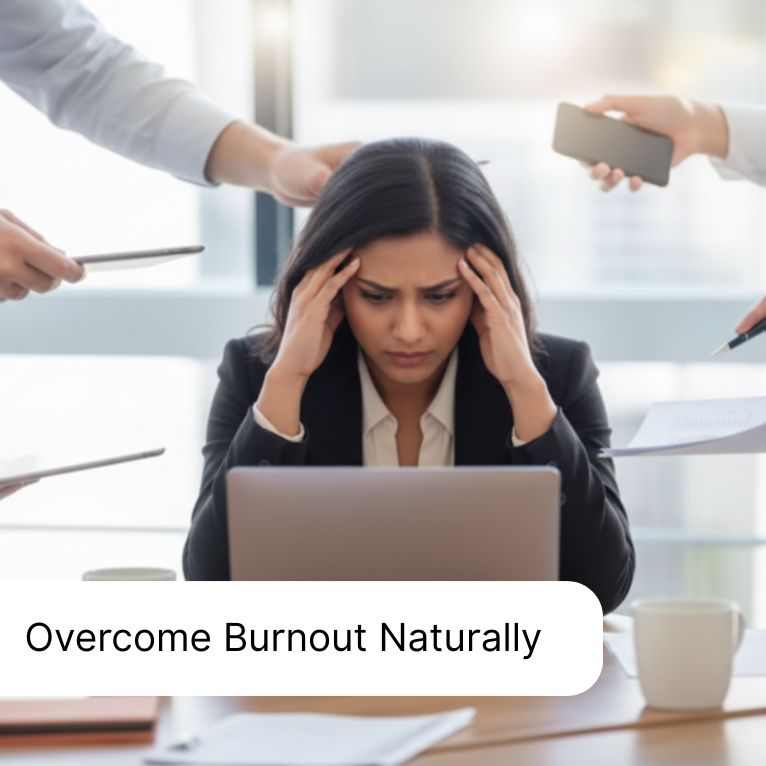
Burnout has become an increasingly familiar feeling across the UK. Many people wake up already tired, struggle to concentrate through the day, and feel emotionally drained even after time off. It is not a lack of motivation or resilience. More often, it is the result of prolonged stress without enough recovery.
If this sounds familiar, you are not alone. The good news is that it is possible to overcome burnout naturally. With the right approach, you can begin restoring your energy, focus, and sense of calm in a way that supports both body and mind.
Why Burnout Feels So Common Today
Modern life rarely allows the nervous system to fully switch off. Long working hours, blurred boundaries between work and home, constant notifications, and ongoing financial pressures all place continuous demands on the body. Over time, this sustained pressure can lead to burnout rather than simple tiredness. Burnout often goes unnoticed until energy levels drop significantly, and even rest no longer feels refreshing. Understanding what burnout really is can be the first step towards recovery.
What Is Burnout? More Than Everyday Stress
Stress is a normal response to challenges and usually passes once the situation resolves. Burnout, however, develops when stress becomes chronic and recovery is insufficient. Burnout is commonly described through three core experiences. The first is emotional exhaustion, where even small tasks feel overwhelming. The second is mental distance or detachment, often experienced as numbness or cynicism. The third is a reduced sense of effectiveness, where confidence and motivation decline.
At a physiological level, long-term stress keeps the nervous system in a heightened state of alert. This ongoing activation interferes with sleep, digestion, mood, and energy regulation, making recovery more difficult without intentional change.
Common Signs and Symptoms of Burnout
Burnout does not look the same for everyone, but there are common patterns. Many people experience constant fatigue that does not improve with sleep. Concentration becomes harder, and decision-making feels draining. Emotionally, there may be irritability, low mood, or a sense of disconnection from work or relationships. Physical symptoms are also common. These can include headaches, muscle tension, digestive discomfort, or frequent minor illnesses. Recognising these signs early can prevent burnout from becoming more severe.
Why Burnout Recovery Needs a Natural, Whole-Body Approach
Trying to push through burnout rarely works. Short-term solutions such as caffeine, productivity tools, or even a brief holiday often provide only temporary relief. This is because burnout affects the nervous system, energy rhythms, and emotional well-being simultaneously.
To overcome burnout naturally, recovery must support the body as a whole. This means focusing not only on rest, but also on how the nervous system responds to daily life, how energy is used and restored, and how mental and emotional load is managed.
How to Overcome Burnout Naturally
Natural burnout recovery begins by helping the nervous system move out of constant “high alert” mode. Gentle regulation is more effective than forcing relaxation. Slow breathing, for example, sends calming signals to the brain and reduces stress hormones. Even a few minutes of steady breathing during the day can lower tension and improve clarity. Gentle movement, such as walking, stretching, or slow yoga, also supports recovery without further depleting energy. Time spent in nature plays a valuable role as well. Access to green spaces, whether parks, coastal paths, or quiet streets with trees, can help reduce mental fatigue and support emotional balance. These small, regular practices gradually rebuild resilience.
Natural Daily Habits That Support Burnout Recovery
Burnout recovery benefits from predictable, supportive routines. In the morning, exposure to natural light helps regulate circadian rhythms and improve energy levels. Starting the day gently, rather than immediately engaging with emails or news, reduces early stress activation.
During the workday, regular pauses are essential. Short breaks away from screens, combined with stretching or calm breathing, allow the nervous system to reset. Setting boundaries around notifications can also reduce cognitive overload.
Evenings are a critical time for recovery. Creating a consistent wind-down routine signals safety and rest to the body. Dimming lights, limiting stimulating content, and maintaining a regular bedtime all support deeper recovery during sleep.
The Role of Sleep, Nutrition, and Movement
Sleep is one of the most important elements in overcoming burnout naturally. Chronic stress often disrupts sleep quality, even when time in bed is sufficient. Supporting sleep through consistent routines and reduced evening stimulation can significantly improve recovery.
Nutrition also influences energy and stress resilience. Balanced meals that stabilise blood sugar levels help prevent energy crashes. Nutrients such as magnesium and omega-3 fatty acids support nervous system function, while excessive caffeine or alcohol may worsen fatigue over time.
Movement should be supportive rather than exhausting. High-intensity exercise can increase stress load during burnout. Gentle, restorative movement allows the body to regain strength without triggering further depletion.
The Emotional Side of Burnout
Burnout is not only physical. Many people struggling with burnout hold themselves to very high standards and feel guilty about slowing down. This internal pressure can prolong recovery.
Learning to rest without self-judgement is an important part of healing. Recovery does not mean giving up ambition; it means rebuilding capacity so that energy can be sustained long-term.
How Long Does Burnout Recovery Take?
Burnout recovery is not linear. Some improvements, such as better sleep or reduced tension, may appear within weeks. Full recovery often takes longer, depending on how long burnout has been present and how consistently supportive habits are practised.
Patience is essential. Progress may feel slow at times, but gradual improvement is a sign that the nervous system is regaining balance.
Common Burnout Recovery Mistakes to Avoid
One common mistake is trying to recover as quickly as possible by doing too much at once. Over-optimising routines can create additional pressure. Another is comparing your recovery to others. Each nervous system responds differently, and timelines vary. Listening to your body and adjusting gently is more effective than pushing for rapid change.
Restoring Balance After Burnout, One Step at a Time
Burnout is not a personal weakness or a failure to cope. It is a natural response to prolonged stress without adequate recovery, and it reflects how deeply the body and mind are interconnected. When the nervous system is under constant pressure, energy, focus, and emotional resilience naturally begin to decline.
To overcome burnout naturally, the focus must shift from pushing harder to supporting the body more wisely. Small, consistent changes — such as gentler mornings, intentional pauses during the day, nourishing food, restorative movement, and improved sleep routines — gradually help the nervous system return to balance. These changes may feel subtle at first, but their impact builds over time.