


Biohacking for Beginners: Simple Ways to Improve Your Health and Mood

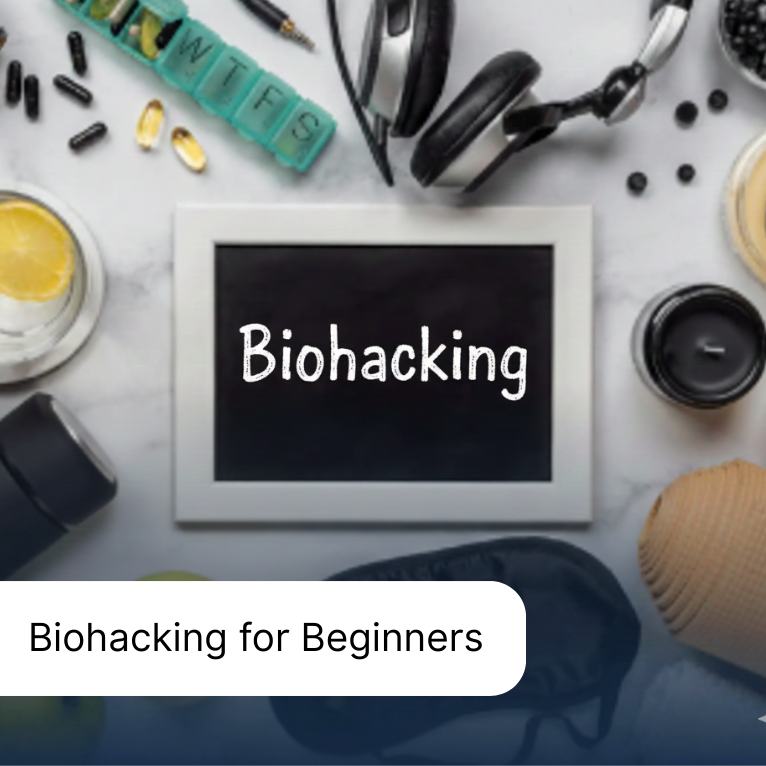
Biohacking has become a popular topic in recent years, often associated with high-tech gadgets or extreme lifestyle changes. In reality, biohacking does not need to be complicated, expensive, or risky. At its core, it is about understanding how your body works and making small, intentional changes that support better health, energy, and emotional balance.
For beginners in the UK, biohacking can be a practical way to improve wellbeing in a busy, modern lifestyle. This guide explains what biohacking really means and how to start safely, using simple habits that fit into everyday life.
What Is Biohacking?
Biohacking refers to the practice of making changes to your daily habits in order to influence how your body and mind function. These changes are usually based on biology, physiology, and behavioural science.
Despite how it is sometimes portrayed online, biohacking is not about extreme fasting, implants, or pushing the body beyond its limits. For most people, especially beginners, biohacking focuses on sleep, stress regulation, movement, nutrition, and mental clarity.
Biohacking is suitable for anyone who wants to feel more balanced, alert, and resilient, not just athletes or technology enthusiasts.
The Science Behind Biohacking
The body is constantly adapting to its environment. Light exposure, sleep timing, stress levels, and movement patterns all influence hormones, the nervous system, and energy production.
Biohacking works because small, consistent changes can gently guide these systems back into balance. Rather than forcing results, effective biohacking supports the body’s natural ability to regulate itself.
For beginners, understanding this principle helps remove pressure. Progress comes from consistency, not intensity.
Key Areas Biohacking Focuses On
Most biohacking practices fall into a few core areas. Sleep is often the foundation, as it affects mood, immunity, focus, and energy. Stress regulation is equally important, as chronic stress disrupts nearly every system in the body.
Biohacking also supports mental clarity and emotional well-being by reducing overstimulation and supporting nervous system balance. Physical movement, when done appropriately, helps maintain energy rather than drain it.
Biohacking for Beginners: Where to Start
Light exposure plays a major role in regulating the body clock. Getting natural daylight in the morning, even on cloudy UK days, helps signal wakefulness and supports better sleep at night. In the evening, reducing bright screens and harsh lighting allows the body to wind down naturally.
Breathing is another powerful biohack. Slow, controlled breathing helps shift the nervous system into a calmer state. Practising this during moments of stress or before bed can improve both mood and sleep quality.
Movement does not need to be intense to be effective. Walking, stretching, or gentle mobility exercises support circulation and mental clarity without overstimulating the body. These forms of movement are particularly helpful for beginners.
Temperature exposure can also influence energy and alertness. Briefly ending a warm shower with cooler water can feel refreshing and support nervous system resilience, as long as it remains comfortable and not extreme.
Nutrition-Based Biohacking Without Restriction
For beginners, biohacking nutrition is not about strict rules or eliminating entire food groups. Instead, it focuses on supporting stable energy levels. Eating regular meals that include protein, fibre, and healthy fats helps stabilise blood sugar and prevent energy crashes. Staying hydrated throughout the day supports digestion, focus, and physical performance.
Caffeine awareness is also important. While tea and coffee are common in the UK, excessive intake can increase stress and disrupt sleep. Paying attention to how caffeine affects your body is a simple but effective biohack.
Mental and Emotional Biohacking
Mental overload is a major contributor to fatigue and low mood. Biohacking for mental health often involves reducing unnecessary stimulation.
Creating focused work periods, limiting constant notifications, and allowing mental rest between tasks can significantly improve clarity and emotional balance. These changes may seem small, but they reduce the strain on the nervous system over time.
Mindfulness does not need to involve long meditation sessions. Simply paying attention to how you feel during the day is a form of mental biohacking.
Can Technology Support Biohacking for Beginners?
Wearable devices and biofeedback tools can be helpful when used mindfully. Tracking sleep patterns or stress responses may increase awareness of how daily habits affect the body.
The key is to use data as guidance, not judgment. Biohacking is about learning, not controlling every metric. Technology should support intuition rather than replace it.
Common Biohacking Myths and Mistakes
One common myth is that more biohacks lead to faster results. In reality, trying too many changes at once often creates stress rather than improvement.
Another mistake is copying extreme routines seen online. What works for one person may not suit another, especially beginners. Biohacking should always be personalised and flexible.
How Long Does Biohacking Take to Work?
Some changes, such as improved sleep or focus, may be noticed within days. Others take weeks of consistency. Biohacking is not a quick fix, but a gradual process of tuning into the body. Progress may feel subtle at first, but small improvements often add up to meaningful long-term change.
Is Biohacking Safe for Everyone?
Most beginner-level biohacking practices are safe when approached gently. Listening to your body is essential. If you have a medical condition or ongoing health concerns, it is always wise to consult a GP before making significant changes. Biohacking should support wellbeing, not override medical advice.
Creating a Simple Beginner Biohacking Routine
A sustainable routine starts with one or two habits. This might be morning daylight exposure and an earlier evening wind-down, or daily walking combined with better hydration.
Tracking how you feel, rather than focusing on perfection, helps guide adjustments. Over time, biohacking becomes less about “hacks” and more about awareness.
Biohacking as Self-Care, Not Perfection
Biohacking for beginners is not about optimisation or control. It is about understanding your body and supporting it with small, thoughtful changes. When approached with curiosity and kindness, biohacking becomes a form of self-care rather than pressure. By starting simply and staying consistent, it is possible to improve health, mood, and energy in a way that feels natural and sustainable.