


How can you improve your sleep every night

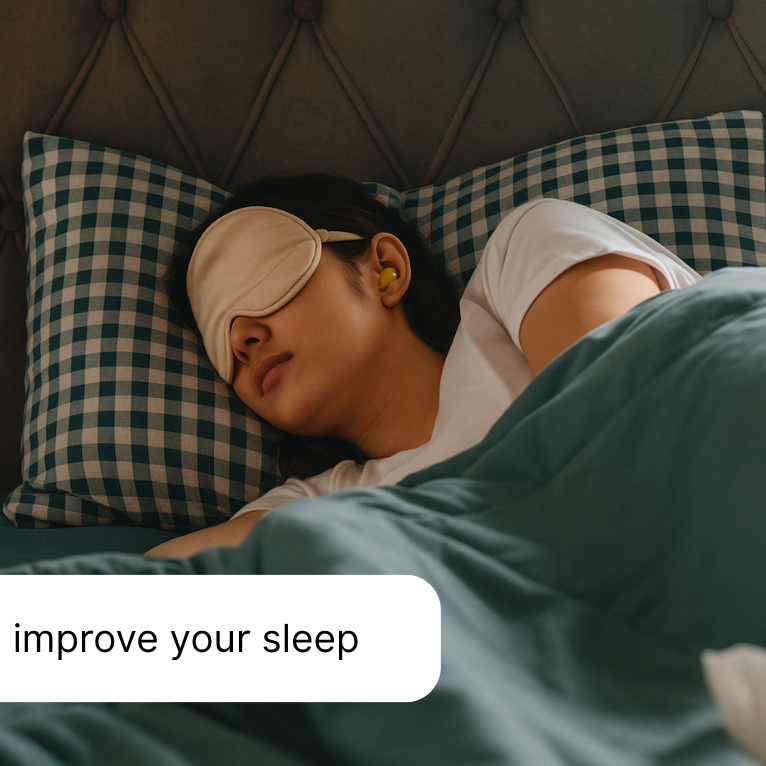
Sleep is the foundation of a healthy body and mind. It’s during sleep that your body repairs tissues, balances hormones, and resets your energy for a new day. Yet, millions struggle with getting consistent, quality rest. The good news? With small changes in routine and environment, you can significantly improve the quality of your sleep every single night.
Why Quality Sleep Matters More Than You Think
Sleep isn’t just a time for rest—it’s a biological necessity. Proper sleep supports your immune system, strengthens memory, and sharpens focus. When you sleep well, your mood improves, your skin glows, and your metabolism works more efficiently. Without it, your body operates in survival mode, leading to fatigue, irritability, and long-term health risks.
The Real Impact of Poor Sleep on Health and Productivity
Consistent lack of sleep does more than make you groggy. It impairs concentration, slows reaction time, and increases the likelihood of mistakes at work or while driving. Over time, poor sleep contributes to obesity, diabetes, heart disease, and even depression. Productivity drops, motivation fades, and stress levels skyrocket. Improving sleep isn’t a luxury—it’s essential for overall performance and longevity.
Understanding Sleep Basics
How the Sleep Cycle Works: REM and Deep Sleep Explained
Sleep occurs in cycles, typically lasting 90 minutes each. The two key stages are REM (Rapid Eye Movement) and deep sleep. Deep sleep repairs muscles and boosts immunity, while REM sleep enhances learning, creativity, and memory consolidation. A balanced mix of both ensures you wake up refreshed and energized.
Common Factors That Disrupt a Good Night’s Rest
Caffeine late in the day, irregular sleep schedules, excessive screen time, and stress are some of the most common sleep disruptors. Environmental factors such as noise, light, or an uncomfortable mattress can also interfere. Recognizing and addressing these factors can dramatically improve sleep quality.
Creating the Perfect Sleep Environment
The Ideal Bedroom Temperature for Restful Sleep
Your body temperature naturally drops at night to prepare for sleep. Keeping your room between 18–20°C (65–68°F) helps maintain that balance. A cool room encourages your body to fall asleep faster and stay asleep longer.
How Lighting and Noise Affect Sleep Quality
Artificial light—especially blue light—suppresses melatonin, the hormone that signals it’s time to rest. Use blackout curtains or an eye mask to block light, and try white noise machines or soft music to drown out distractions. Creating a calm, dark, and quiet environment promotes deeper, uninterrupted rest.
How to Get Better Sleep Quickly
Proven Relaxation Techniques for Fast Sleep Onset
Relaxation techniques can help slow your heart rate and calm your mind before bed. Try progressive muscle relaxation—tensing and releasing each muscle group—or gentle yoga stretches. Listening to calming music or guided sleep meditations can also ease the transition to rest.
Simple Breathing Exercises to Calm the Mind Before Bed
Deep breathing triggers your body’s relaxation response. One effective method is the 4-7-8 technique: inhale for four seconds, hold for seven, and exhale for eight. This rhythm helps release tension, lower blood pressure, and prepare your body for sleep.
Optimizing Daily Habits for Better Night Sleep
How Diet and Hydration Affect Sleep Patterns
What you eat and drink has a direct impact on how well you sleep. Heavy meals, spicy foods, and sugary snacks before bedtime can cause discomfort or indigestion. Instead, opt for light dinners rich in magnesium and tryptophan, such as bananas or almonds. Stay hydrated throughout the day but reduce fluid intake an hour before bed to avoid nighttime awakenings.
The Surprising Link Between Exercise and Sleep Quality
Regular exercise promotes deeper sleep and reduces stress. Aim for at least 30 minutes of physical activity daily, preferably in the morning or afternoon. However, intense workouts too close to bedtime may elevate adrenaline levels, making it harder to fall asleep.
Digital Detox Before Bedtime
How Screen Time Interferes with Melatonin Production
Smartphones, tablets, and computers emit blue light that suppresses melatonin. Scrolling through social media or watching shows before bed keeps your brain stimulated, delaying sleep onset. Avoid screens at least one hour before bedtime to allow your brain to wind down naturally.
Setting a “Tech Curfew” to Improve Sleep Readiness
Establish a nightly tech cutoff—your personal “digital sunset.” Replace screen time with calming rituals like reading a physical book, journaling, or meditating. Consistency helps your body associate these habits with sleep preparation.
Managing Stress and Anxiety for Deeper Sleep
The Role of Mindfulness and Meditation in Sleep Improvement
Mindfulness meditation helps quiet racing thoughts and reduce anxiety, creating a sense of calm that promotes better rest. Even five minutes of mindful breathing or gratitude reflection before bed can significantly improve sleep quality.
Journaling and Mental Unloading Before Bed
Writing down your worries or to-do list can declutter your mind. This simple practice helps you let go of mental tension, preventing overthinking when your head hits the pillow.
Sleep Aids and Devices
What Is the Best Sleep Device?
The Apollo Wearable is a scientifically designed device that uses gentle vibrations to calm the nervous system and reduce stress. Improving heart rate variability and promoting relaxation helps your body transition into a deeper sleep state. It’s a modern, non-invasive way to enhance sleep quality naturally.
Modern technology has transformed the way we approach better sleep. Among the most effective innovations are smart sleep devices that help regulate your body’s natural rhythms and promote relaxation. One standout example is the smart sleep tracker, which monitors your sleep stages, heart rate, and breathing patterns to give personalized insights for improvement.
Another popular option is the white noise machine, designed to create consistent background sounds that mask sudden noises and promote calmness. These devices are especially beneficial for people living in noisy environments or those who find silence unsettling.
Understanding Sleep Disorders
Signs You May Have Insomnia or Sleep Apnea
If you struggle to fall asleep, wake up frequently, or feel tired even after a full night’s rest, you might be experiencing insomnia or sleep apnea. Loud snoring, gasping during sleep, and daytime fatigue are warning signs that require medical evaluation. Addressing these conditions early can greatly improve your quality of life.
The Role of Natural Remedies and Supplements
Herbal Teas and Essential Oils That Promote Sleep
Chamomile, lavender, and valerian root teas have soothing properties that relax the nervous system. Diffusing lavender or sandalwood essential oils before bed can create a calm, sleep-inducing atmosphere.
Melatonin, Magnesium, and Other Safe Sleep Supplements
Melatonin helps regulate your sleep-wake cycle, while magnesium supports muscle relaxation and stress reduction. Always start with small doses and consult a healthcare professional before adding any supplement to your routine.
Improving your sleep every night begins with small, mindful changes—balancing diet, managing stress, and creating an ideal environment for rest. Prioritize routines that support relaxation, avoid overstimulation, and stay consistent with bedtime habits. Over time, these efforts compound, transforming restless nights into deep, restorative sleep. A well-rested body and mind will reward you with clarity, energy, and resilience each day.
For a daily evening structure rather than scattered tips, follow our Holosophy better sleep protocol — it covers timing, light management, breathwork and supplementation.