

Blog
Best Supplements to Reduce Inflammation in the Body Naturally

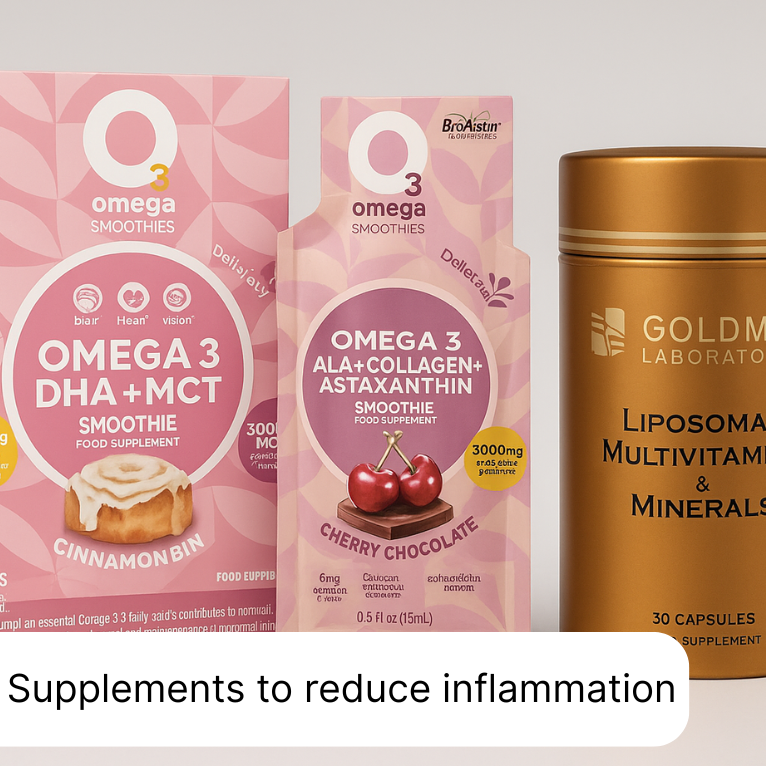
Inflammation is a natural process that helps the body fight off infection and repair damaged tissue. However, when inflammation becomes chronic, it can lead to serious health issues. Reducing inflammation is crucial for maintaining overall health and well-being. Chronic inflammation is linked to various conditions such as heart disease, arthritis, diabetes, and even cancer. Therefore, incorporating natural supplements into your diet can play a significant role in managing and reducing inflammation.
Understanding Inflammation:
Inflammation occurs when the body’s immune system responds to an injury or infection. In the short term, inflammation helps the body heal by sending white blood cells to the affected area. However, if inflammation persists for too long, it can damage healthy tissue, leading to chronic conditions. Chronic inflammation is a sign that the immune system is constantly on alert, even when there is no immediate threat.
Acute vs. Chronic Inflammation
Acute inflammation is the body’s initial response to injury or infection. It typically lasts for a short period and is beneficial for the healing process. On the other hand, chronic inflammation persists over a longer period, sometimes for months or even years. Chronic inflammation occurs when the immune system remains active even when there is no infection or injury to fight. This prolonged state can lead to tissue damage and increase the risk of developing various diseases.
Symptoms of Inflammation You Shouldn’t Ignore
Inflammation can present itself in various ways, including redness, heat, swelling, and pain in the affected area. Some common symptoms to watch out for include persistent joint pain, fatigue, headaches, and digestive issues. In some cases, chronic inflammation may cause symptoms such as low-grade fever or unexplained weight gain. If left unchecked, these symptoms can lead to long-term health issues.
Long-Term Risks of Inflammation
If inflammation becomes chronic, it can contribute to the development of several serious health conditions. Over time, chronic inflammation can damage the arteries, leading to an increased risk of heart disease and stroke. It can also cause joint degeneration, leading to conditions like rheumatoid arthritis and osteoarthritis. Chronic inflammation is also linked to diabetes, Alzheimer’s disease, and certain cancers. Managing inflammation is vital for preventing these conditions and maintaining a healthy body.
The Role of Diet and Lifestyle in Managing Inflammation
Diet and lifestyle choices play a significant role in managing inflammation. Eating a balanced, anti-inflammatory diet, exercising regularly, and reducing stress can help control inflammation levels. On the other hand, poor dietary habits, lack of physical activity, and excessive stress can all contribute to increased inflammation in the body. Making small, consistent changes in your lifestyle can have a significant impact on reducing chronic inflammation.
Which Vitamin is Best for Reducing Inflammation?
Vitamins play an essential role in regulating inflammation in the body. Some vitamins have potent anti-inflammatory properties that can help reduce inflammation naturally.
Vitamin D: Anti-Inflammatory Powers
Vitamin D is crucial for immune system regulation, and research has shown that it helps reduce inflammation. It enhances the body’s ability to fight infection while reducing the production of pro-inflammatory cytokines. Vitamin D deficiency has been linked to increased inflammation and the development of various chronic diseases, including heart disease and diabetes. A regular intake of vitamin D, either through sunlight exposure or supplements, can help reduce chronic inflammation.
Vitamin C: Fighting Oxidative Stress
Vitamin C is known for its immune-boosting properties, and it also has strong anti-inflammatory effects. It helps neutralise free radicals in the body, reducing oxidative stress, which can lead to inflammation. Vitamin C also plays a vital role in the repair and growth of tissues, helping to maintain healthy joints and prevent inflammation.
Vitamin E: Reducing Chronic Inflammation
Vitamin E is a powerful antioxidant that helps protect cells from damage caused by free radicals. It also plays a crucial role in reducing chronic inflammation by inhibiting the production of pro-inflammatory compounds. Regular consumption of vitamin E-rich foods, like nuts and seeds, can help manage inflammation levels and promote overall health.
B Vitamins: Regulate Inflammatory Responses
B vitamins, especially B6 and B12, play a significant role in reducing inflammation. These vitamins help regulate the body’s stress response and support the production of neurotransmitters that reduce inflammation. Deficiencies in B vitamins can lead to increased inflammation and various health problems. Foods rich in B vitamins, like whole grains, eggs, and leafy greens, should be included in an anti-inflammatory diet.
What Deficiency Causes Inflammation?
Certain nutrient deficiencies can increase the body’s susceptibility to inflammation. A lack of essential vitamins and minerals can impair the body’s ability to regulate inflammation, leading to chronic conditions.
Vitamin D Deficiency:
Low levels of vitamin D are closely linked to increased inflammation in the body. Deficiency in vitamin D can lead to conditions like osteoarthritis, rheumatoid arthritis, and chronic pain. Supplementing with vitamin D can help reduce inflammation and manage symptoms of these conditions.
Low Magnesium Levels:
Magnesium is another crucial mineral that plays a role in reducing inflammation. Magnesium deficiency has been associated with increased levels of pro-inflammatory markers in the body. Ensuring adequate magnesium intake through foods like leafy greens, nuts, and seeds can help regulate inflammation levels.
Omega-3 Deficiency:
Omega-3 fatty acids are essential for reducing inflammation, especially in the joints and heart. A deficiency in omega-3s can lead to increased inflammation and a higher risk of developing heart disease, arthritis, and other inflammatory conditions. Omega-3-rich foods like fatty fish and flaxseeds are critical for maintaining healthy inflammation levels.
Best Supplements to Reduce Inflammation
Supplements can be an effective way to reduce inflammation, especially if dietary intake is insufficient. There are several natural supplements that have been proven to help manage inflammation.
Omega-3 Fatty Acids:
Omega-3 fatty acids are considered the most effective supplement for reducing inflammation. Studies have shown that omega-3s can help lower the production of pro-inflammatory molecules and reduce inflammation in conditions like arthritis and heart disease. Fish oil supplements are a popular source of omega-3s, but plant-based options like algae oil are also available.
Curcumin (Turmeric Extract):
Curcumin, the active compound in turmeric, is known for its potent anti-inflammatory properties. It helps reduce inflammation by inhibiting various inflammatory pathways in the body. Taking curcumin supplements or adding turmeric to your diet can help reduce joint pain, muscle soreness, and other symptoms of inflammation.
Green Tea Extract:
Green tea extract contains powerful antioxidants, particularly catechins, which help reduce inflammation and fight oxidative stress. Regular consumption of green tea or green tea extract supplements can help lower the risk of chronic inflammation and promote overall health.
Resveratrol:
Resveratrol, a compound found in red wine, grapes, and berries, has strong anti-inflammatory properties. It helps reduce inflammation by inhibiting the production of inflammatory cytokines. Taking resveratrol supplements can support heart health and reduce inflammation in the body.
Probiotics:
Probiotics are beneficial bacteria that promote gut health and play a key role in reducing inflammation. A healthy gut microbiome helps regulate the immune system and reduce inflammation. Probiotic supplements can help balance gut bacteria and support overall health.
Minerals That Play a Role in Reducing Inflammation
Certain minerals are essential for reducing inflammation and supporting overall health. Magnesium and zinc are two minerals that have been shown to help regulate inflammatory responses in the body.
Magnesium: Reducing Stress-Related Inflammation
Magnesium helps relax muscles and reduce stress-related inflammation. It plays a crucial role in regulating inflammatory pathways and promoting overall health. Magnesium supplements can help reduce muscle soreness, joint pain, and other symptoms of inflammation.
Zinc: Supporting Healing and Immune Balance
Zinc is essential for the proper functioning of the immune system and helps reduce inflammation. It supports wound healing and the production of immune cells that fight infection. Zinc supplements can help lower inflammation and promote faster recovery from injuries.
Herbal and Plant-Based Supplements
Herbs and plant-based supplements have been used for centuries to reduce inflammation. These natural remedies can complement other treatments and provide relief from chronic inflammation.
Ginger: Powerful Health Benefits
Ginger contains compounds that help reduce inflammation and alleviate pain. It has been used for centuries to treat conditions like arthritis and digestive issues. Ginger supplements can help reduce joint pain, muscle soreness, and other symptoms of inflammation.
Boswellia:
Boswellia, also known as frankincense, is a powerful anti-inflammatory herb that has been used for centuries to treat joint pain and inflammation. Boswellia supplements can help reduce inflammation in the joints and improve mobility.
Spirulina:
Spirulina is a type of blue-green algae that is rich in antioxidants and anti-inflammatory compounds. It has been shown to help reduce inflammation in the body and support overall health. Spirulina supplements can help reduce the risk of chronic inflammation and promote overall well-being.
A Holistic Approach to Reducing Inflammation
Reducing inflammation is crucial for maintaining overall health and preventing chronic diseases. A holistic approach that combines anti-inflammatory foods, lifestyle changes, and supplements can help manage inflammation naturally. By incorporating these habits into your daily routine, you can reduce inflammation, improve your health, and promote long-term well-being. When choosing supplements, it’s important to select those that are proven to work and meet your specific needs, prioritising quality and consulting a healthcare provider if necessary. Consistency is key in building long-term habits that incorporate anti-inflammatory foods, supplements, and healthy lifestyle choices, ultimately helping you reap the full benefits of a holistic approach to health.
Combine anti-inflammatory supplementation with our Holosophy recovery and performance protocol for whole-system recovery support.