


Monitor your vital signs 24/7 with versatile wearable tech. These devices track key metrics like sleep and heart rate. They empower you with the data needed to adjust your lifestyle and improve your health proactively.

Apollo Wearable – Glacier
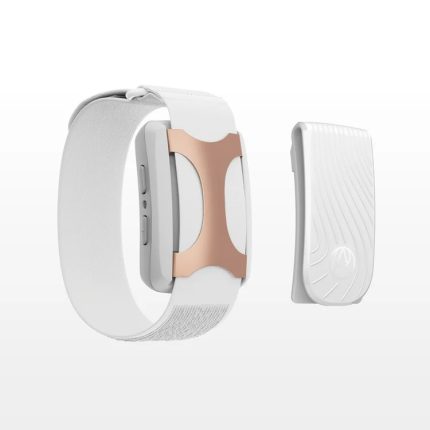
Apollo Wearable – Rose
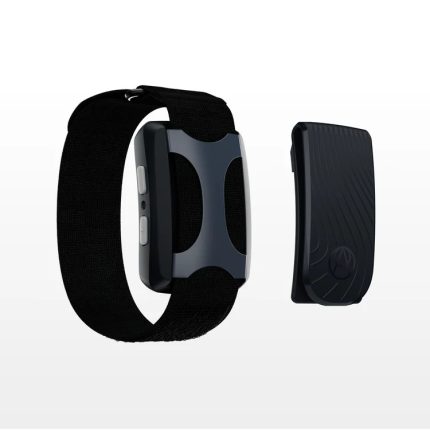
Apollo Wearable – Stealth
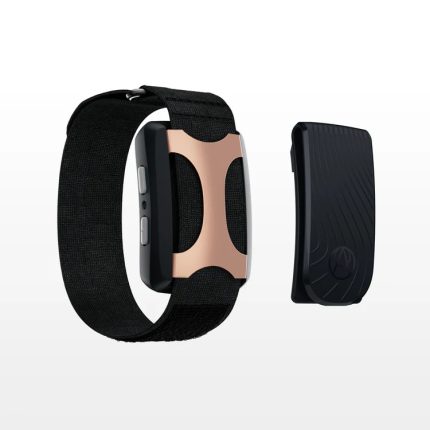
Apollo Wearable – Twilight

FlyHugz® Noise Reducing Earplugs 2.0 – Grey

FlyHugz® Premium Sleep Mask – Grey

FlyHugz® Princess Neck Pillow – Pink

FlyHugz® Princess Noise Reducing Earplugs 2.0 – Pink

FlyHugz® Princess Sleep Mask- Pink

FlyHugz® Travel Pillow – Grey

HumanCharger Bright Light Headset

Pulsetto VNS Device
What is the Pulsetto and how does vagus nerve stimulation work?
Pulsetto is a specialized transcutaneous VNS (tVNS) device engineered for neuromodulation. It delivers targeted electrical impulses to the vagus nerve (Cranial Nerve X), the primary conduit for the parasympathetic nervous system.
By stimulating the auricular or cervical branches of the vagus nerve, Pulsetto triggers a parasympathetic shift, effectively inhibiting the sympathetic "fight or flight" response. This process increases vagal tone, which is clinically correlated with improved Heart Rate Variability (HRV) and reduced systemic cortisol. It is an efficient tool for downregulating the nervous system during periods of acute allostatic load.
What is the difference between the Apollo Wearable and Pulsetto?
While both devices aim for autonomic balance, they utilize different sensory pathways. The Apollo Wearable operates through vibroacoustic therapy, using specific frequencies to stimulate mechanoreceptors in the skin. This signals "safety" to the amygdala, providing an ambient, continuous stabilization of the nervous system.
In contrast, Pulsetto is a direct neural intervention. It uses electrical signaling to "hack" the vagus nerve directly. Use Apollo for background regulation—shifting between focus and sleep states throughout the day. Use Pulsetto for acute intervention—a 4-minute "reset" to rapidly induce a state of biophysical calm when the stress response is peaked.
How does the HumanCharger work as a wearable wellness device?
The HumanCharger is a breakthrough in chronobiology, utilizing transcranial light therapy. It delivers calibrated white light through the ear canal to reach photosensitive opsins in the brain. This stimulates the Suprachiasmatic Nucleus (SCN)—the body's master circadian pacemaker.
By bypassing the eyes, it allows for phototransduction without the need for bulky SAD lamps. This 12-minute intervention helps regulate the melatonin-cortisol cycle, making it an essential tool for treating Seasonal Affective Disorder (SAD), eliminating jet lag, and optimizing your cortisol awakening response during dark winter mornings.
Can wellness wearables like Apollo and Pulsetto be worn together?
Yes, these devices are physiologically complementary because they target different afferent pathways. You can layer these interventions to create a multi-modal biohacking stack.
A typical high-performance protocol involves using the HumanCharger upon waking to set your circadian baseline, wearing the Apollo throughout the workday to maintain emotional regulation, and utilizing Pulsetto in the evening to accelerate parasympathetic recovery before sleep. This "stacking" ensures that your nervous system architecture is supported through both ambient and targeted stimulation.
Are there any contraindications for using Pulsetto or other wearables?
As with any electro-stimulation or neuromodulation tool, safety is paramount. Pulsetto is contraindicated for individuals with active implanted medical devices (such as pacemakers or ICDs) because electrical pulses could interfere with device signaling.
It should also be avoided by those with carotid sinus hypersensitivity or active infections in the neck region. The Apollo Wearable, being a non-electrical vibration device, has a broader safety profile but should not be placed over broken skin. Always prioritize biocompatibility and consult the specific contraindication matrix if you have underlying cardiovascular or neurological conditions.