


How to Choose the Right Home Light Therapy Devices

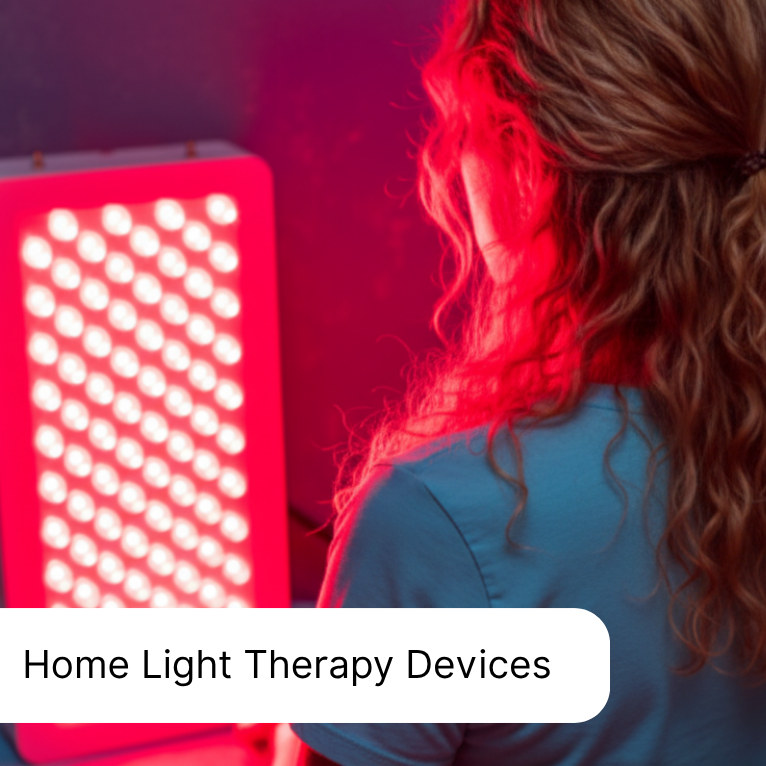
In homes across the UK, light therapy is emerging as one of the most effective and accessible ways to improve wellbeing. Whether it’s boosting mood during darker months, enhancing skin radiance, or supporting better sleep, light therapy brings the power of natural sunlight indoors — safely and scientifically.
As the days shorten and screens dominate our lives, our bodies often lose touch with their natural rhythm. That’s where home light therapy devices come in — small yet powerful tools that use specific wavelengths of light to rebalance energy, improve sleep, and enhance skin health. But with so many devices on the market, how do you know which one is right for you?
Let’s explore what makes a good light therapy device, how each type works, and how to select one that fits your goals and lifestyle.
Understanding How Light Therapy Works
Light is far more than what we see — it’s a biological signal that guides our energy, mood, and sleep. Different colours of light affect the body in unique ways:
- Blue and white light help regulate your circadian rhythm, boosting alertness and focus during the day.
- Red and near-infrared light penetrate deeper into the skin, stimulating cellular repair, collagen production, and recovery.
- Amber or warm light helps calm the nervous system, preparing the body for restful sleep.
Light therapy devices deliver these specific wavelengths directly to your skin and eyes in a controlled, safe way — supporting your body’s natural processes without medication or invasive treatments.
Important Features to Check
Before purchasing a device, it’s important to understand the technical features that determine its quality and effectiveness.
Wavelength:
Each light colour has its own wavelength measured in nanometres (nm). For example, red light therapy typically operates between 630–660 nm, while near-infrared reaches 810–850 nm, allowing deeper tissue penetration for recovery and anti-ageing. Blue light sits around 415–470 nm, ideal for acne treatment and alertness.
Coverage Area:
If you’re targeting full-body rejuvenation or muscle recovery, a larger panel may be ideal. For focused skincare treatments, LED masks or handheld wands offer convenience and precision.
Power and Intensity:
This determines how deeply the light penetrates your skin. A higher output (measured in milliwatts per square centimetre) means faster, more noticeable results. Look for devices that balance power and comfort — enough to be effective, yet gentle for regular use.
Types of Home Light Therapy Devices
There’s a wide variety of light therapy devices available today, each designed for different wellness needs.
- LED Masks — For Skin Health and Radiance
These facial masks use a mix of red, blue, and near-infrared light to support smoother, clearer skin. Red light boosts collagen and elasticity, while blue light helps reduce acne. They’re lightweight, easy to use, and ideal for self-care rituals at home. - Light Therapy Panels — For Mood, Energy, and Recovery
Larger panels deliver high-intensity light exposure that supports mood regulation and overall energy levels. By sitting or standing in front of the panel for 10–20 minutes a day, especially in the morning, you can help reset your circadian rhythm and combat the effects of seasonal darkness. - Handheld Wands or Spot Devices — For Targeted Care
Small, portable devices that treat specific areas such as joints, scars, or small skin patches. They’re travel-friendly and perfect for people seeking targeted light therapy for pain relief or skin issues. - Desk or SAD Lamps — For Seasonal Affective Disorder
These lamps mimic natural daylight, offering up to 10,000 lux of brightness to help ease winter blues, boost serotonin, and improve concentration. Brands like Lumie, Philips, and Beurer are popular across the UK for safe and effective SAD support.
How to Match Devices to Your Goals
Your ideal light therapy device depends on what you hope to achieve.
- Better Sleep: Use warm red or amber light therapy before bedtime to help melatonin production and relaxation.
- Mood and Energy: Opt for a daylight lamp or bright white light in the morning to lift mood and enhance focus.
- Skin Rejuvenation: Choose a red or near-infrared LED mask or wand to promote collagen and reduce inflammation.
- Acne or Skin Clarity: Go for blue light therapy to target bacteria and calm breakouts.
- Pain Relief and Recovery: Look for infrared light panels or devices that reach deep into muscles and joints.
Matching your goals with the right wavelength and device type ensures that your therapy feels personal and truly effective.
Budget vs Premium Options
When it comes to light therapy, price often reflects versatility and performance.
Budget-friendly devices (under £150) are perfect for beginners. They typically offer single-colour light with basic settings and smaller coverage areas. While results may take longer, consistency makes a big difference.
Mid-range devices (£150–£400) offer adjustable intensities and multiple wavelengths, giving users more control over their routine.
Premium devices (£500+) are ideal for serious wellness enthusiasts. These may include app-connected controls, full-spectrum options, or medical-grade light output — suitable for long-term, full-body rejuvenation.
Regardless of budget, look for devices backed by science and trusted reviews rather than trends or celebrity endorsements.
Safety and How to Use Light Therapy at Home
Light therapy is generally safe when used correctly, but a few guidelines help maximise benefits and protect sensitive skin and eyes.
- Start Slowly: Begin with shorter sessions (5–10 minutes) and gradually increase time as your body adapts.
- Maintain Distance: Keep 20–40 cm away from the light source unless otherwise recommended.
- Avoid Late-Night Blue Light: Blue light can delay sleep if used too close to bedtime.
- Protect Your Eyes: For bright-light therapy or LED masks, use protective eyewear as recommended by the manufacturer.
- Consult a Professional: If you have migraines, light sensitivity, or skin conditions, it’s wise to check with your GP before starting regular sessions.
Used mindfully, home light therapy can safely complement your wellbeing routine — helping your body find balance naturally.
The Bright Path Forward
Bringing light therapy into your home isn’t just about skincare or technology — it’s about reconnecting with one of nature’s most essential elements. Whether it’s a few minutes in front of a SAD lamp on a dark morning or a relaxing red light session before bed, these moments of light are small acts of care for your body and mind. By choosing a device that fits your needs, lifestyle, and goals, you’re investing in something beautifully simple yet profoundly effective — the healing power of light itself. Let light lead the way to brighter mornings, deeper rest, and a balanced sense of wellbeing — one glow at a time.