


Apollo Neuro vs. Pulsetto: Which Calms Faster?

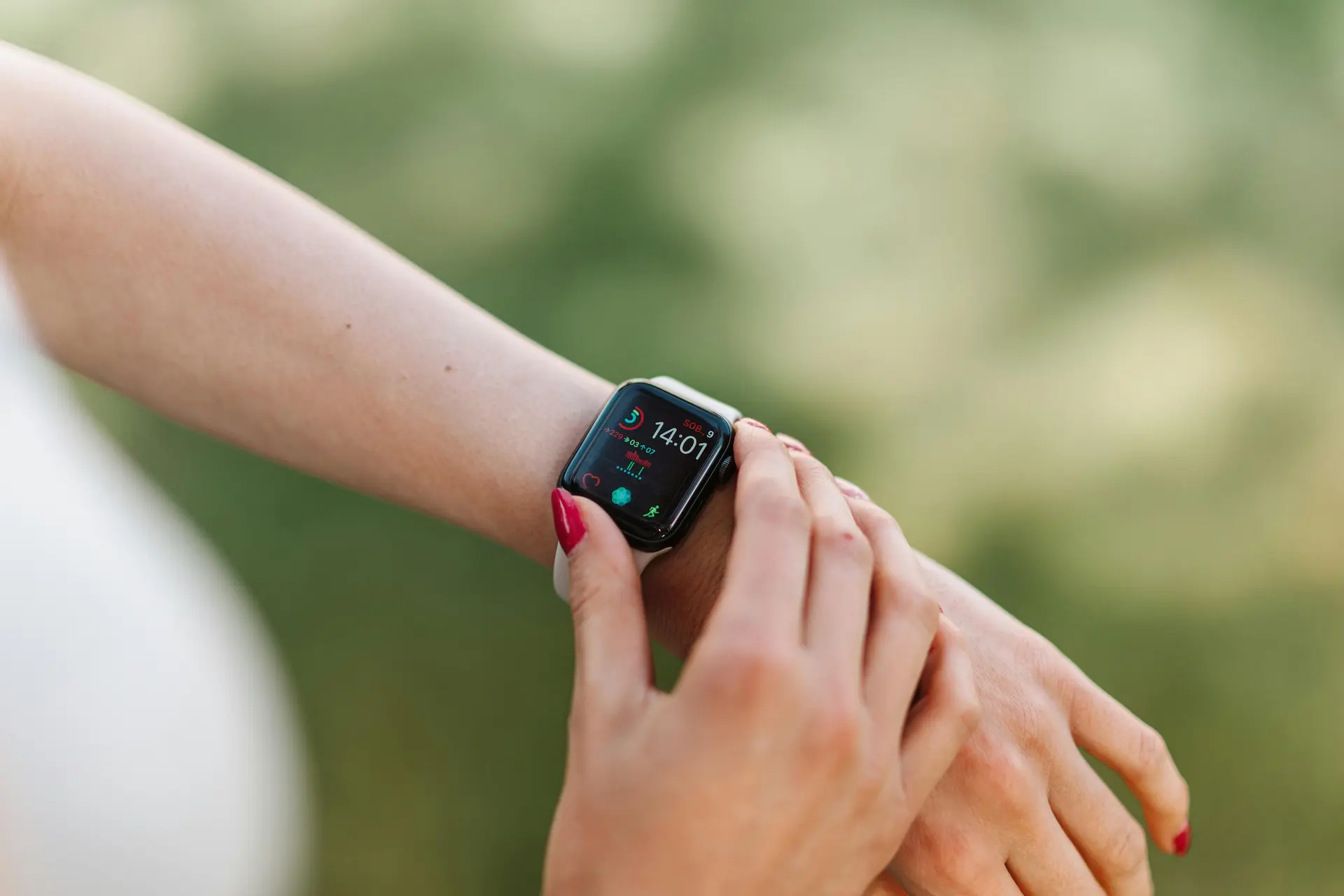
Two devices promise to calm your nervous system on demand. Both target your vagus nerve. Both claim to reduce stress, improve sleep, and restore balance. But they work through completely different mechanisms.
Apollo Neuro uses gentle vibrations. Pulsetto delivers electrical pulses. One you wear on your wrist or ankle. The other sits on your neck. One provides continuous support throughout your day. The other offers targeted sessions when needed.
The question isn’t which device is “better” in absolute terms. It’s which better serves your specific needs. Your lifestyle. Your nervous system. Your goals. This comparison examines both vagus nerve stimulation devices in detail.
Holosophy offers both technologies because different people respond to different approaches. Understanding the distinctions helps you choose wisely.
TLDR
Apollo Neuro uses haptic vibrations to influence your nervous system through touch. Pulsetto delivers transcutaneous electrical stimulation directly to your vagus nerve. Apollo provides continuous wearable support. Pulsetto offers targeted 15-minute sessions.
Apollo Neuro works more gradually, building effects over hours and days. Pulsetto creates faster acute shifts, with effects noticeable within 2-5 minutes. Apollo costs more initially but requires no consumables. Pulsetto needs replacement electrode gel. Both improve stress, sleep, and autonomic balance through different pathways.
How Each Device Works
Understanding the mechanisms reveals why these devices create different experiences despite targeting similar outcomes.
Apollo Neuro: Touch Therapy
The Apollo Neuro Stealth wearable delivers gentle vibrations to your skin. These precisely engineered patterns influence your nervous system through touch receptors.
Your skin contains mechanoreceptors that detect pressure and movement. Specific vibration frequencies activate pathways that signal safety. Your nervous system interprets these patterns as soothing touch.
Apollo doesn’t directly stimulate your vagus nerve. Instead, it influences your autonomic nervous system through afferent pathways from your skin. The vibrations trigger neural responses that cascade through your system.
You wear Apollo continuously or during specific activities. Different modes offer different patterns. Energy mode provides gentle activation. Sleep mode offers calming patterns. Social mode supports relaxed alertness.
Apollo comes in multiple styles. The Apollo Neuro Rose Gold, Apollo Neuro Glacier, and Apollo Neuro Twilight variants offer aesthetic choices with identical functionality.
Pulsetto: Direct Vagus Nerve Stimulation
The Pulsetto vagus nerve device delivers gentle electrical pulses through electrode pads on your neck. These pulses target the cervical branch of your vagus nerve.
Transcutaneous vagus nerve stimulation makes medical technology accessible for home wellness use. The electrical stimulation directly activates vagal fibers. You feel gentle tingling or buzzing. The sensation confirms proper positioning.
Sessions last 5-15 minutes typically. You use Pulsetto when needed rather than wearing it continuously. The targeted approach creates acute shifts in nervous system state. Think of it as “spot treatment” for your autonomic system.
Speed of Effect: Which Works Faster?
This question matters most when anxiety spikes or stress overwhelms. You need relief now, not eventually.
Pulsetto works faster for acute effects. Most users feel parasympathetic activation within 2-5 minutes. Your heart rate slows. Breathing deepens. Physical tension releases. The direct vagal stimulation creates rapid shifts.
Apollo Neuro works more gradually. You might notice subtle calming within 10-15 minutes. But the full effect builds over 30-60 minutes of wear. The vibrations accumulate rather than create immediate dramatic shifts.
For panic attacks or acute anxiety, Pulsetto’s speed advantages are clear. You start a session. Within minutes, your nervous system shifts. The immediate feedback helps break anxious spirals.
For sustained regulation throughout the day, Apollo’s continuous presence works differently. You don’t notice dramatic shifts. Instead, you realize hours later that stress didn’t escalate as usual. The baseline gradually improves.
Sleep preparation shows interesting differences. Pulsetto users often use it 15-30 minutes before bed, creating a clear transition to sleep mode. Apollo users wear the device on sleep mode for 1-2 hours before bed, allowing gradual wind-down.
Neither is universally “better.” They serve different timing needs. Pulsetto for acute intervention. Apollo for continuous support. Some people use both strategically.
Technology Comparison
The Apollo Neuro technology overview and Pulsetto technology overview reveal fundamental differences.
Stimulation Method: Apollo uses haptic vibration therapy with specific vibration patterns. Pulsetto uses transcutaneous electrical nerve stimulation with precise electrical pulses through electrode pads.
Targeting Specificity: Apollo influences your nervous system indirectly through touch pathways. The effect is diffuse rather than targeted. Pulsetto targets your vagus nerve specifically through bilateral cervical stimulation, creating focused parasympathetic activation.
Wearability: Apollo wears like a watch or ankle band all day. It’s discreet under clothing. Battery lasts 6-8 hours. Pulsetto requires dedicated sessions. It’s visible on your neck. Battery lasts multiple sessions but needs electrode gel for each use.
App Integration: Both offer smartphone apps. Apollo provides multiple modes (Energy, Social, Calm, Sleep, etc.) with scheduling options. Pulsetto’s app controls intensity and duration with different programs for specific outcomes.
Use Cases: When to Choose Each
Specific situations favor one device over the other.
Choose Apollo Neuro If You:
Want continuous nervous system support throughout your day. Apollo excels at preventing stress escalation rather than treating it after the fact. Wear it during work, social events, or challenging situations for sustained regulation.
Prefer subtle, unnoticed intervention. The vibrations are gentle enough that others won’t detect them. You can wear Apollo during meetings, conversations, or professional settings without drawing attention.
Need specific state optimization. The multiple modes help you shift between different nervous system states. Energy mode for morning activation. Focus mode for work. Sleep mode for evening. The variety supports different needs.
Value simplicity and convenience. Apollo requires no consumables. No electrode gel. No dedicated sessions. Just wear it and forget it. The convenience factor suits busy lifestyles.
Choose Pulsetto If You:
Experience acute anxiety or panic attacks. The rapid parasympathetic activation helps break acute stress spirals. When you need relief now, Pulsetto delivers faster than Apollo.
Prefer targeted interventions over continuous wear. Some people don’t want to wear devices all day. They prefer dedicated wellness sessions. Pulsetto suits this approach perfectly.
Respond well to direct vagal stimulation. Individual nervous systems vary. Some people feel dramatic effects from cervical VNS. If you’re one of them, Pulsetto’s targeted approach works powerfully.
Want measurable sessions with clear boundaries. The 5-15 minute sessions create defined practice periods. Some people prefer this structure over continuous wear.
Pricing and Value
Cost differs significantly between these vagus nerve stimulation devices.
Apollo Neuro costs approximately $349-$399 depending on style and promotions. This one-time purchase includes the device, charging cable, and app access. No ongoing costs except occasional band replacement.
Pulsetto prices around $269-$299. Initial purchase includes device, charging cable, electrode gel, and app. However, you’ll need replacement gel periodically. This adds ongoing costs, though modest.
Pulsetto vs Apollo Neuro price comparison favors Pulsetto initially. But factor in consumables over time. Apollo’s higher upfront cost may equal out over years of use.
Value depends on usage patterns. If you use Apollo daily for hours, the per-use cost decreases dramatically. If you use Pulsetto occasionally for acute needs, the lower initial cost makes sense.
Both companies offer occasional discounts. Apollo Neuro discount code opportunities appear seasonally. Pulsetto coupon code options exist through authorized retailers like Holosophy. Sign up for newsletters to catch sales.
Warranty coverage differs. Apollo typically includes one-year manufacturer warranty. Pulsetto offers similar coverage. Extended warranties may be available through specific retailers.
Return policies matter for expensive wellness devices. Most authorized sellers offer 30-day returns. This lets you test the device risk-free. If it doesn’t work for your nervous system, return it.
User Experience and Wearability
Daily practicality often matters more than technical specifications.
Apollo Neuro Experience
Wearing Apollo feels like a gentle massage on your wrist or ankle. The vibrations are soothing rather than intrusive. Most users report forgetting they’re wearing it after initial adjustment.
The device is lightweight and comfortable. You can sleep wearing Apollo on sleep mode. You can exercise with it. You can wear it during any activity without interference.
Learning curve is minimal. Download the app. Charge the device. Choose a mode. Put it on. The simplicity appeals to people who want results without complexity.
Social acceptability is high. Apollo looks like a fitness tracker. No one questions it. You can wear it in professional settings, social situations, anywhere without concern.
Pulsetto Experience
Using Pulsetto requires more ritual. Find a quiet spot. Clean your neck. Apply gel. Position the device. Start the session. This dedicated practice appeals to some people but feels cumbersome to others.
The electrical stimulation feels strange initially. You sense tingling or buzzing on your neck. This sensation confirms it’s working but takes adjustment. Some people find it pleasant. Others merely tolerate it.
Sessions require stillness. You can’t walk around with Pulsetto on. You sit or lie down for 5-15 minutes. This dedicated time works well for intentional practice but limits spontaneous use.
Visibility is an issue. Pulsetto on your neck is noticeable. You wouldn’t use it during work meetings or social events. It’s a private practice device, not a public wearable.
Clinical Evidence
Both devices have research supporting their mechanisms, though the evidence bases differ.
Apollo Neuro has company-sponsored research showing improvements in heart rate variability, sleep quality, and stress resilience. Studies demonstrate that specific vibration patterns influence autonomic nervous system balance. The research is promising though still emerging.
Transcutaneous vagus nerve stimulation has decades of research. Medical VNS has extensive clinical evidence for epilepsy, depression, and other conditions. Consumer tVNS devices like Pulsetto leverage this established science.
Neither device has FDA approval as a medical device. Both are registered as general wellness devices. This classification limits medical claims but doesn’t indicate ineffectiveness. Many wellness interventions work without FDA approval.
Heart rate variability improvements appear in research on both technologies. HRV provides an objective measure of autonomic function. Both Apollo and Pulsetto show HRV enhancements in user studies.
Individual responses vary significantly. Some people respond strongly to vibration therapy. Others respond better to electrical stimulation. The “best” device depends partly on your nervous system’s individual characteristics.
Which Should You Buy?
The decision comes down to your specific situation, preferences, and goals.
Buy Apollo Neuro if you want continuous nervous system support integrated seamlessly into daily life. If you value convenience, discretion, and sustained regulation over acute intervention. If you’re willing to invest more upfront for long-term use.
Buy Pulsetto if you need rapid relief for acute stress or anxiety. If you prefer targeted sessions over continuous wear. If direct vagal stimulation appeals to you. If lower initial cost matters.
Consider buying both if your budget allows. They complement each other. Apollo for baseline regulation. Pulsetto for acute intervention. This combination provides comprehensive nervous system support.
Holosophy offers both technologies because different approaches suit different people. Their comprehensive stress reduction protocol can incorporate either device based on individual needs.
Start with the device that matches your primary need. If acute anxiety is your biggest challenge, Pulsetto makes sense. If general stress and poor sleep dominate, Apollo might serve better. You can always add the other later.
Don’t expect miracles from either device. They support nervous system regulation. They don’t replace healthy lifestyle, stress management skills, or professional care when needed. They’re tools, not solutions.
Frequently Asked Questions
Which is better Apollo Neuro or Pulsetto?
Neither is universally “better.” Apollo Neuro excels at continuous support and sustained regulation. Pulsetto works faster for acute stress relief. Apollo offers more convenience for all-day wear. Pulsetto provides more direct vagus nerve activation. The better choice depends on whether you need continuous baseline support or rapid acute intervention.
Does Apollo Neuro stimulate the vagus nerve?
Apollo Neuro doesn’t directly stimulate the vagus nerve like Pulsetto does. Instead, it influences your autonomic nervous system through touch receptors in your skin. The vibrations activate neural pathways that indirectly affect parasympathetic activation. Both devices influence autonomic balance but through different mechanisms.
What are the side effects of Apollo Neuro vs Pulsetto?
Apollo Neuro has minimal side effects. Some users report skin sensitivity from prolonged wear. The vibrations might feel too intense initially. Pulsetto can cause temporary skin redness where electrodes contact your neck. Some experience light-headedness from rapid parasympathetic activation. Both are generally safe with proper use.
Can Apollo Neuro improve sleep like Pulsetto?
Yes, both devices improve sleep quality through different approaches. Apollo’s sleep mode provides 1-2 hours of calming vibrations before bed, creating gradual wind-down. Pulsetto offers targeted 10-15 minute sessions before sleep for rapid parasympathetic activation. Both help users fall asleep faster and sleep more deeply. Individual responses vary.
Which device is more affordable Apollo or Pulsetto?
Pulsetto costs less initially ($269-$299 vs $349-$399). However, Pulsetto requires replacement electrode gel periodically. Apollo has no consumables. Over years of use, total costs may equalize. If budget is tight, Pulsetto’s lower entry price makes it more accessible. For long-term value, Apollo’s lack of ongoing costs appeals.
Who should buy Apollo Neuro vs Pulsetto?
Buy Apollo if you want all-day wearable support, value convenience, need multiple modes for different situations, or prefer subtle intervention. Buy Pulsetto if you experience acute anxiety requiring rapid relief, prefer targeted sessions over continuous wear, want direct vagal stimulation, or have a tighter budget. Athletes and busy professionals often prefer Apollo. People with panic attacks often choose Pulsetto.
Conclusion
Apollo Neuro vs Pulsetto isn’t a simple contest with a clear winner. These devices serve different needs through different mechanisms. Apollo provides continuous, gentle influence through touch. Pulsetto delivers targeted, rapid activation through electrical stimulation.
Speed favors Pulsetto. If you need calm NOW, electrical vagus nerve stimulation works faster. Effects appear within minutes. This makes Pulsetto powerful for acute anxiety, panic attacks, or rapid state shifts.
Convenience favors Apollo. Continuous wearability throughout your day provides sustained support. The subtle vibrations integrate seamlessly into life. You don’t need dedicated sessions or consumables.
Cost considerations cut both ways. Pulsetto costs less initially. Apollo avoids ongoing expenses. Your usage patterns determine which offers better value long-term.
Holosophy recognizes that optimal nervous system care often combines multiple approaches. Whether you choose Apollo, Pulsetto, or both, these technologies offer science-based support. For broader context on available options, explore other stress-relief wearables in the wellness technology landscape.
The “right” device matches your lifestyle, nervous system, and primary needs. Both work. Both help. The question is which better serves YOUR specific situation. Start with one. Add the other if beneficial. Your nervous system will tell you what works.