

How Long Do Vagus Nerve Devices Take to Work?

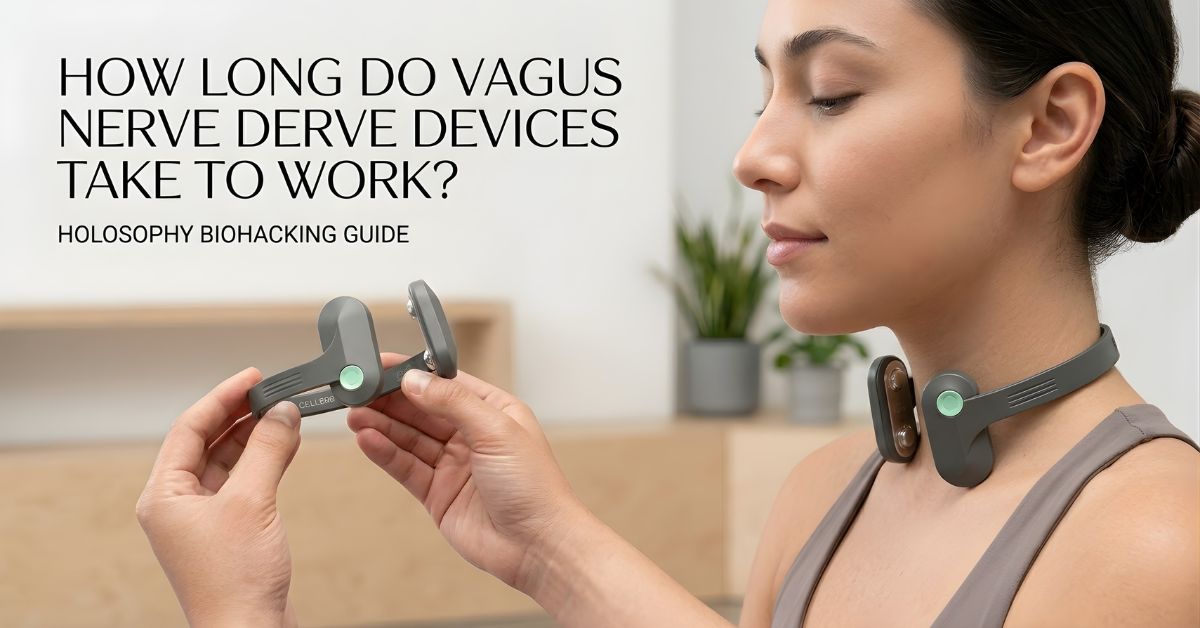
You buy a vagus nerve stimulator. You want relief now. The anxiety needs to stop. The sleep problems need to end. The stress needs to break. But nervous system change doesn’t follow product timelines.
Different vagus nerve devices work on different timelines. Some create effects within minutes. Others require weeks of consistent use. Medical implantable devices show benefits over months. Consumer transcutaneous devices fall somewhere between.
Understanding these timelines prevents disappointment and builds realistic expectations. When you know what to expect and when, you can evaluate effectiveness properly. You can distinguish between “not working yet” and “not working at all.”
This isn’t about marketing promises. It’s about biological reality. Your nervous system operates on its own schedule, responding to vagus nerve stimulation through multiple mechanisms that unfold at different speeds.
TLDR
Vagus nerve devices create three timeline layers. Immediate effects appear within 2-15 minutes during active stimulation. Short-term improvements emerge after 1-4 weeks of consistent use. Long-term nervous system retraining develops over 2-6 months of regular practice.
Medical implantable VNS devices typically require 3-12 months for full therapeutic effects. Consumer transcutaneous devices work faster for acute symptoms but still need weeks for sustained benefits. Individual responses vary significantly based on nervous system state, device type, and usage consistency.
Understanding Vagus Nerve Stimulation Timelines
Vagus nerve stimulation operates through multiple biological mechanisms. Each mechanism unfolds on its own schedule. Understanding these layers helps set appropriate expectations.
The acute response happens during stimulation. Your vagus nerve activates. Parasympathetic signals reach your brainstem. Neurotransmitter release changes. Heart rate adjusts. These effects appear quickly but fade when stimulation stops.
The conditioning response develops over repeated sessions. Your nervous system learns new patterns. Baseline vagal tone improves. Stress reactivity decreases. Recovery speed increases. These changes accumulate gradually through consistent practice.
The structural response involves neuroplastic changes. Neural pathways strengthen. Receptor sensitivity shifts. Brain connectivity patterns reorganize. These deep changes require months of sustained intervention.
Medical research on implantable VNS devices shows this layered timeline clearly. Patients often report some immediate effects. But full therapeutic benefits for epilepsy or depression typically emerge over 6-12 months. The nervous system needs time to reorganize.
Consumer non-invasive vagus nerve stimulation devices follow similar principles but often work faster for wellness applications. The stimulation is gentler. The goals are different. But the basic biology remains the same. To build foundational knowledge, understanding vagus nerve function helps contextualize how these devices create change.
Immediate Effects: Minutes to Hours
Most vagus nerve devices create some immediate effects. The speed and intensity vary by device type and individual response.
Transcutaneous cervical VNS devices typically work fastest. Direct electrical stimulation of the vagus nerve in your neck activates parasympathetic pathways within 2-5 minutes. You feel your heart rate slow. Breathing deepens. Physical tension releases. These effects are measurable and noticeable.
The Pulsetto VNS device exemplifies this rapid response. Users report feeling calmer within the first few minutes of a session. The direct vagal stimulation creates clear parasympathetic activation. This makes it effective for acute stress or anxiety episodes.
Auricular vagus nerve stimulation works slightly slower. The ear-based approach stimulates the auricular branch of the vagus nerve. Effects typically appear within 5-10 minutes. The stimulation is less direct than cervical VNS but still creates noticeable parasympathetic activation.
Touch-based approaches like the Apollo Neuro vagus nerve wearable operate differently. Rather than direct electrical vagal stimulation, Apollo uses vibration patterns to influence your nervous system. Effects emerge more gradually, typically within 10-20 minutes. The experience is subtler but builds over longer wear periods.
These immediate effects are real but temporary. When you stop stimulation, your nervous system gradually returns to baseline. The acute response proves the device is working but doesn’t represent long-term benefits. Think of it as evidence of mechanism, not evidence of cure.
Immediate effects serve important functions. They provide feedback that positioning and intensity are correct. They offer acute relief during high-stress moments. They build confidence that the intervention is working. But sustainable change requires consistent use over time.
Short-Term Changes: Days to Weeks
With daily use, vagus nerve stimulation creates accumulating benefits. Most users notice meaningful changes within 1-4 weeks of consistent practice.
Sleep improvements often appear first. After 1-2 weeks of evening VNS sessions, falling asleep becomes easier. Sleep quality improves. Morning grogginess decreases. For those working on sleep optimization, integrating VNS into a comprehensive sleep improvement protocol accelerates results.
Baseline anxiety typically decreases after 2-3 weeks. You still experience anxiety triggers. But the anxious activation doesn’t escalate as far. Recovery happens faster. The nervous system’s stress response becomes more balanced.
Heart rate variability improvements become measurable within 2-4 weeks. HRV reflects autonomic balance. Regular vagus nerve stimulation enhances parasympathetic activity, which increases HRV. You can track this objectively with monitoring devices or apps.
Stress resilience strengthens gradually. After 3-4 weeks of consistent use, you notice that daily stressors don’t impact you as severely. Your baseline state is calmer. Recovery from stress happens more quickly.
Physical symptoms often improve in this timeframe. Tension headaches decrease. Digestive function normalizes. Muscle tightness releases more easily. These reflect the vagus nerve’s influence on multiple organ systems.
The key word is “consistent.” Sporadic use produces sporadic results. Daily practice over weeks creates the conditioning response. Your nervous system learns new patterns through repetition.
Long-Term Retraining: Months to Years
Deep nervous system change requires sustained intervention. The most profound benefits emerge after months of regular vagus nerve stimulation.
After 2-3 months of daily use, many people report that their baseline nervous system state has shifted permanently. They no longer need the device as frequently. The improvements persist even without daily sessions. This suggests neuroplastic changes have occurred.
Medical VNS research shows this pattern clearly. Implantable devices for epilepsy often require 3-6 months before seizure frequency decreases significantly. For depression treatment, VNS typically needs 6-12 months for full therapeutic effects.
Consumer devices work faster than medical implants for wellness goals. But the principle remains. True baseline shifts require months of consistent practice. Your brain needs time to rewire. New neural pathways must strengthen.
Some users reduce device usage after 3-6 months while maintaining benefits. Instead of daily sessions, they use the device a few times per week. Others continue daily use indefinitely, viewing it like exercise or meditation.
Long-term users often report the most dramatic transformations. Chronic anxiety that plagued them for years diminishes significantly. Sleep quality reaches levels they haven’t experienced in decades. Stress resilience becomes their default state.
These changes don’t come from the device alone. Most successful long-term users integrate VNS into broader wellness practices. They combine it with good sleep habits, stress management techniques, and healthy lifestyle choices. The device accelerates and supports change but doesn’t create it in isolation.
Device Type and Timeline Differences
Different vagus nerve stimulation devices create different timeline patterns based on their mechanisms and applications.
- Implantable Vagus Nerve Stimulators: Medical devices requiring surgical placement. Deliver continuous stimulation directly to the vagus nerve. FDA-approved for epilepsy and depression. Timeline: Initial effects within weeks, full therapeutic benefits over 6-12 months, continued improvement up to 18-24 months.
- Transcutaneous Cervical VNS: Non-invasive devices stimulating the vagus nerve through the neck with electrical pulses. Timeline: Immediate effects within 2-5 minutes, short-term improvements after 1-3 weeks, sustained benefits after 6-12 weeks of regular use.
- Auricular Vagus Nerve Stimulation: Ear-based devices stimulating the auricular branch. Less direct than cervical VNS. Timeline: Immediate effects within 5-10 minutes, benefits accumulate over 2-4 weeks, long-term improvements develop over 8-16 weeks.
- Touch-Based Nervous System Devices: Use vibration to influence autonomic balance through indirect pathways. Timeline: Subtle effects within 10-20 minutes, noticeable improvements after 1-2 weeks, optimal benefits emerge after 4-8 weeks of consistent use.
Factors That Affect Response Speed
Individual response timelines vary significantly. Several factors influence how quickly you’ll experience benefits from vagus nerve stimulation.
- Baseline Nervous System State: People with severe dysregulation often see dramatic initial improvements. Those with milder symptoms may notice subtler changes. Your starting point affects perceived speed of change.
- Consistency of Use: Daily sessions produce faster results than sporadic use. Skipping days interrupts the conditioning process. Regular practice accelerates nervous system learning.
- Session Parameters: Proper intensity, duration, and positioning matter. Too gentle may not activate effectively. Too intense causes discomfort and inconsistent use. Finding the right parameters improves response speed.
- Individual Biology: Some nervous systems respond more readily to external stimulation. Genetic factors, prior experiences, and overall health all influence response patterns.
- Concurrent Practices: People who combine VNS with other nervous system support see faster results. Those integrating devices into a comprehensive vagus nerve activation protocol experience accelerated benefits.
- Stress Load: High ongoing stress can slow progress. If life circumstances continuously activate your sympathetic nervous system, parasympathetic support from VNS must work harder. Reducing external stressors when possible accelerates improvement.
- Sleep Quality: Poor sleep undermines nervous system regulation. VNS can improve sleep, but sleep also affects how well your nervous system responds to VNS. This creates either a virtuous or vicious cycle.
- Expectations and Mindset: Unrealistic expectations lead to premature judgment of “not working.” Understanding normal timelines helps you persist through the conditioning phase. Patience allows biological processes to unfold.
Setting Realistic Expectations
Disappointment often comes from misaligned expectations rather than device ineffectiveness. Knowing what to expect and when prevents premature abandonment of effective interventions.
Week 1: Expect to feel immediate effects during sessions. Your heart rate slows. Breathing deepens. Physical tension releases. But these effects fade after sessions end. You’re learning how the device works and finding optimal settings.
Weeks 2-4: Start noticing subtle baseline shifts. Sleep may improve. Anxiety edges might soften. Stress recovery could quicken. These changes are real but not dramatic. Your nervous system is beginning to learn new patterns.
Weeks 4-8: Benefits should become clearly noticeable. Sleep quality improves consistently. Baseline anxiety decreases measurably. Stress resilience strengthens. This is when most people become convinced the device is working.
Weeks 8-12: Effects continue building. The improvements from weeks 4-8 deepen. New benefits may emerge. Some people start reducing session frequency while maintaining benefits. Others continue daily use for deeper change.
Beyond 12 weeks: Long-term users report sustained baseline improvements. Many reduce device usage to a few times per week or as-needed. The nervous system has learned new patterns. Some benefits persist even without continued stimulation.
These timelines represent averages. Individual variation is normal and doesn’t indicate failure. The key is consistent use and honest assessment of change over appropriate timeframes.
How to Know If It’s Working
Measuring progress helps distinguish between “not working yet” and “not working at all.” Track these indicators to assess effectiveness properly.
Immediate Session Effects: Within the first few uses, you should feel something during active stimulation. Heart rate changes. Breathing deepens. Physical relaxation. If you feel nothing after proper positioning and appropriate intensity, the device may not suit your physiology.
Sleep Quality: Track how long it takes to fall asleep. Note night wakings. Assess morning energy. Sleep often improves within 1-3 weeks. Use a sleep tracking app or journal for objective measurement.
Heart Rate Variability: Measure HRV regularly with a tracking device or app. Look for upward trends over 2-4 weeks. HRV provides objective data on autonomic function improvements.
Subjective Stress Levels: Rate your daily stress on a 1-10 scale. Track for weeks. Look for gradual baseline decreases. Even small shifts indicate progress.
Anxiety Frequency and Intensity: Note how often anxiety spikes occur. Track severity and recovery speed. All three metrics should improve over 2-6 weeks with effective VNS.
Physical Symptoms: Monitor tension headaches, digestive issues, muscle tightness, or other stress-related symptoms. Many improve as vagal tone increases.
Resilience to Stressors: Notice how you respond to typical stress triggers. After 4-8 weeks, these should impact you less severely. Recovery should happen faster.
Holosophy emphasizes measurement-based approaches to wellness technology. Tracking concrete metrics prevents both false hope and premature dismissal.
Frequently Asked Questions
Do vagus nerve stimulators really work?
Yes, vagus nerve stimulation has extensive clinical evidence. Medical implantable VNS is FDA-approved for epilepsy and depression. Consumer transcutaneous devices show promise for stress, anxiety, and sleep in emerging research. Individual responses vary, but the majority of users report meaningful benefits with consistent use over appropriate timeframes. Immediate effects prove mechanism. Long-term improvements require weeks to months of regular practice.
What is the best vagus nerve stimulation device?
The “best” device depends on your needs. For rapid acute relief, cervical transcutaneous VNS works fastest. For continuous all-day support, wearable touch-based devices offer convenience. For medical conditions like epilepsy, implantable VNS is the gold standard. Consumer devices from reputable companies provide accessible options for wellness applications. Choose based on your primary goals, lifestyle, and budget.
Are vagus nerve devices safe?
Non-invasive consumer vagus nerve devices are generally safe for healthy adults. Common side effects include temporary skin redness, mild tingling, or occasional light-headedness. People with pacemakers, serious heart conditions, epilepsy, or pregnancy should consult doctors before use. Medical implantable VNS requires surgical placement and carries typical surgical risks. Always follow manufacturer guidelines and safety warnings.
Can I use a vagus nerve device at home?
Yes, consumer transcutaneous vagus nerve stimulation devices are designed for home use. No prescription needed. No medical supervision required. Devices like Pulsetto, Apollo Neuro, and others provide at-home nervous system support. Medical implantable VNS requires surgical implantation by doctors but then functions at home. Consumer devices democratize access to VNS technology for wellness applications.
How much does a vagus nerve device cost?
Consumer non-invasive devices range from $200-$400 typically. Medical implantable VNS costs $30,000-$50,000 including surgery, though insurance often covers it for approved conditions. Consumer devices are one-time purchases with minimal ongoing costs. Some require replacement electrode gel or batteries. The price variation reflects device type, features, brand, and whether it’s medical-grade or consumer wellness.
What conditions do vagus nerve devices treat?
Medical VNS is FDA-approved for treatment-resistant epilepsy and depression. Research explores applications for anxiety, PTSD, chronic pain, inflammation, and other conditions. Consumer wellness devices target stress reduction, anxiety management, sleep improvement, and general nervous system regulation. They’re not FDA-approved for treating medical conditions but support wellness goals. Always use appropriate medical care for diagnosed conditions.
Conclusion
How long do vagus nerve devices take to work? The answer depends on what “working” means to you.
For immediate relief during acute stress, cervical transcutaneous VNS works within 2-5 minutes. You feel the parasympathetic shift. Your body calms. This acute effect proves the mechanism is working.
For meaningful baseline improvements in sleep, anxiety, and stress resilience, expect 2-6 weeks of consistent daily use. Your nervous system needs time to learn new patterns. The conditioning response develops gradually through repetition.
For deep neuroplastic changes and sustained transformation, plan for 2-6 months of regular practice. Long-term users report the most dramatic benefits. Their nervous systems have genuinely retrained. Many maintain improvements with reduced device usage.
The timeline isn’t about the device. It’s about biology. Your nervous system operates on its own schedule. Medical implantable VNS takes 6-12 months for full therapeutic effects despite continuous stimulation. Consumer devices work faster for wellness goals but still require patience.
Holosophy approaches vagus nerve stimulation as one component of comprehensive nervous system care. The devices work best integrated into broader wellness practices. Combined with good sleep habits, stress management, and healthy lifestyle, VNS accelerates progress. Alone, it provides support but not magic solutions.
Start with realistic expectations. Give the intervention appropriate time. Track objective measures. Assess honestly after 4-8 weeks of consistent use. If you see no measurable improvement by week 8, the device may not suit your physiology. But most people notice meaningful changes well before then.
Your nervous system can change. Vagus nerve stimulation provides a tool to guide that change. The question isn’t whether it works. It’s whether you’ll give it the time and consistency needed to work.