


Vagus Nerve Explained: Why Biohackers Focus on It

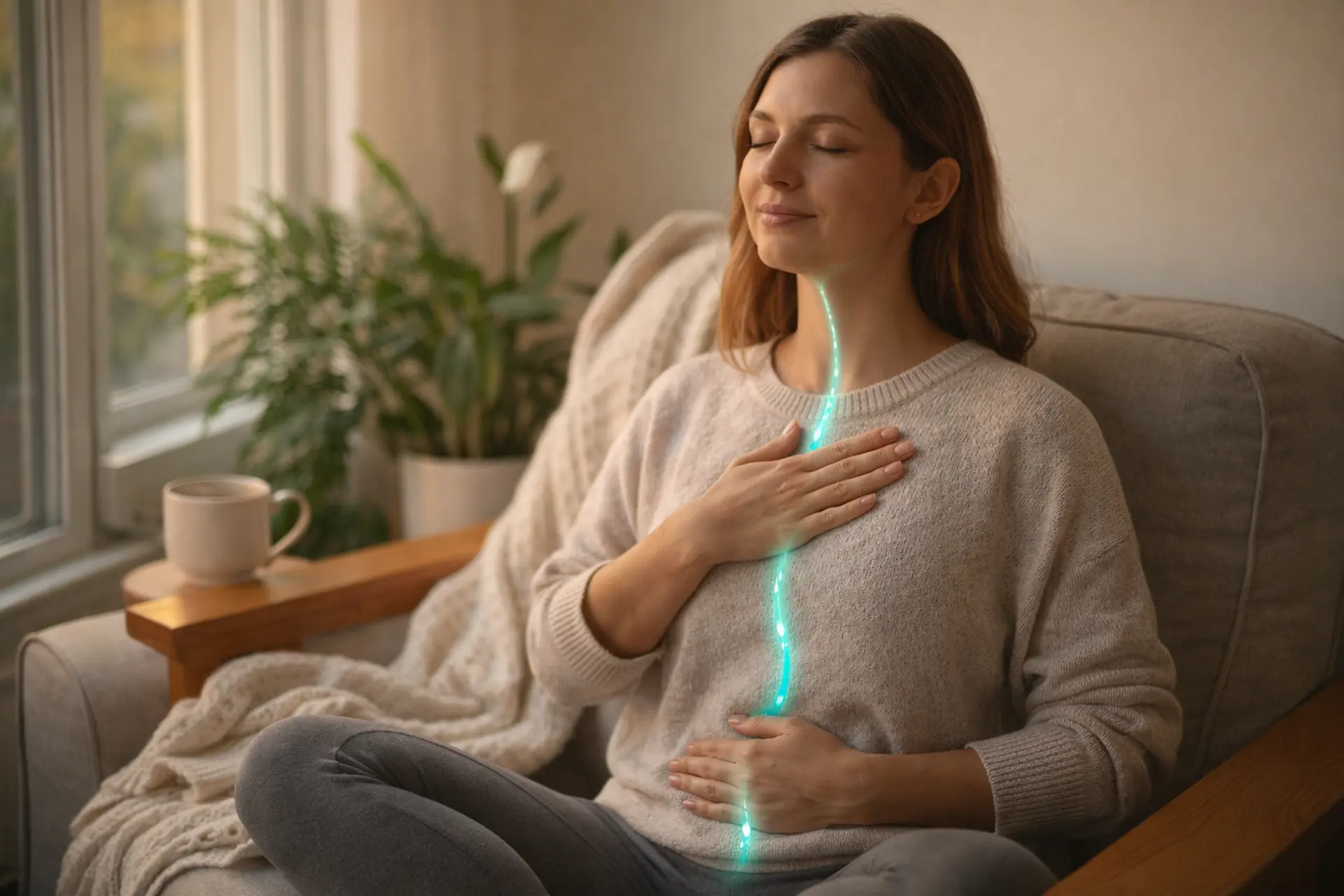
A single nerve runs from your brain to your gut. It touches your heart, lungs, and digestive system. This nerve influences more of your body than almost any other structure.
The vagus nerve orchestrates your calm-down response. It regulates inflammation. It controls digestion. It affects mood and anxiety. Biohackers have discovered they can influence it deliberately.
This isn’t fringe science. Major institutions study vagus nerve function. Medical devices target it for depression and epilepsy. From breathing exercises to cold showers to electrical stimulation, people are activating this wandering nerve.
Understanding the vagus nerve changes how you approach health. It reveals connections between gut and brain, breath and heart rate, stress and immune function.
TLDR
The vagus nerve is the longest cranial nerve in your body. It’s the main pathway of your parasympathetic nervous system, controlling your rest and digest response. This nerve regulates heart rate, digestion, inflammation, and mood. Higher vagal tone means better stress resilience, emotional control, and physical health.
You can stimulate your vagus nerve through breathing exercises, cold exposure, humming, meditation, and specialized devices. Vagus nerve stimulation reduces anxiety, improves digestion, lowers inflammation, and enhances heart rate variability. Biohackers focus on it because it’s a powerful lever for optimizing health that you can control.
Table of Contents
- What Is the Vagus Nerve?
- Vagus Nerve Function: What Does It Actually Do?
- The Gut-Brain Axis Connection
- Vagal Tone: Your Resilience Indicator
- Why Biohackers Obsess Over the Vagus Nerve
- Vagus Nerve Stimulation: Natural Methods
- Vagus Nerve Stimulation Devices and Technology
- Signs of Vagus Nerve Dysfunction
- How to Improve Vagal Tone
- Frequently Asked Questions
- Conclusion
What Is the Vagus Nerve?
The vagus nerve is cranial nerve X, the tenth of twelve cranial nerves emerging from your brain. “Vagus” means “wandering” in Latin. This nerve wanders through your body more extensively than any other cranial nerve.
It originates in your medulla oblongata, the lower part of your brainstem. From there, it descends through your neck inside the carotid sheath and continues into your chest and abdomen, branching to innervate numerous organs.
The vagus nerve connects to your larynx for voice, your heart to regulate rhythm, your lungs to control breathing, and your entire digestive tract from esophagus to colon. It even influences your spleen and kidneys.
About 80% of vagus nerve fibers are afferent, carrying information from body to brain. Only 20% carry commands from brain to body. Your vagus nerve is primarily a sensory highway reporting your internal state upward, constantly informing your brain about heart rate, breathing, digestion, and inflammation levels.
The vagus nerve serves as the main pathway of your parasympathetic nervous system. This is your rest and digest mode where recovery and healing occur. When activated, it counteracts stress responses and shifts you toward calm.
Vagus Nerve Function: What Does It Actually Do?
The vagus nerve function extends across multiple body systems.
Heart Rate Control
Your vagus nerve regulates heart rhythm through parasympathetic activation. When it fires, it releases acetylcholine onto heart tissue, slowing heart rate and creating natural rhythm variation called heart rate variability. High variability indicates strong vagal influence and better health. Low variability suggests poor vagal tone and increased disease risk.
Digestive System Regulation
The vagus nerve and digestive health are intimately connected. This nerve stimulates stomach acid production, enzyme release, and intestinal movement. Without adequate vagal activity, digestion slows dramatically. This explains why stress causes digestive problems.
Inflammation Control
The vagus nerve inflammation regulation works through the cholinergic anti-inflammatory pathway. When vagal fibers detect inflammation, they release acetylcholine that tells immune cells to reduce inflammatory cytokine production. Your vagus nerve acts as an internal brake on inflammation. Poor vagal tone means this brake doesn’t work well, contributing to chronic inflammatory conditions.
Brain-Body Communication
The vagus nerve serves as a biological superhighway for brain-body communication. It carries visceral sensory functions including information about organ stretch, chemical composition, and inflammatory state. This data shapes your emotional state, stress response, and decision-making. The vagus nerve and mental health connection runs deep through these sensory pathways.
The Gut-Brain Axis Connection
The gut-brain axis represents bidirectional communication between your digestive system and brain. The vagus nerve serves as the primary physical pathway for this connection.
Your gut contains hundreds of millions of neurons forming the enteric nervous system. These neurons monitor digestive function, nutrients, and gut microbiome composition. They send this information to your brain primarily through vagal afferent fibers.
This explains mysteries like why gut health affects mood or stress causes digestive issues. The microbiome produces neurotransmitters and metabolites that stimulate vagal endings in your gut wall. Your brain receives this information and adjusts mood, stress response, and appetite.
Research shows you can influence mental health through the gut-brain axis. Probiotics that alter gut bacteria can reduce anxiety and depression, likely through changes in vagal signaling patterns. Better vagal function improves digestion, supports healthier gut bacteria, and enhances vagal signaling, creating a positive cycle.
Vagal Tone: Your Resilience Indicator
What is vagal tone? It’s the baseline activity level of your vagus nerve, the resting strength of your parasympathetic nervous system. Higher vagal tone means your vagus nerve exerts stronger influence over your body systems.
Vagal tone manifests most clearly in heart rate variability. High vagal tone shows significant variation in time between heartbeats. Low vagal tone produces rigid, less variable rhythm. This rigidity correlates with cardiovascular disease, diabetes, depression, anxiety, and chronic inflammation.
High vagal tone correlates with better stress resilience, faster recovery, better emotional regulation, higher wellbeing, better sleep, and stronger immune function. Research even links vagal tone to prosocial behavior, empathy, and social connection. The polyvagal theory proposes that vagal pathways evolved to support social engagement.
Vagal tone isn’t fixed. It responds to lifestyle and targeted interventions. You can measure it through heart rate variability monitoring and improve it through specific practices. This trainability makes vagal tone a powerful lever for optimizing health.
Why Biohackers Obsess Over the Vagus Nerve
Biohackers seek controllable variables that create disproportionate health returns. The vagus nerve fits perfectly. It’s a single nerve affecting multiple body systems simultaneously.
First, vagus nerve interventions are accessible. Breathing exercises cost nothing. Cold exposure requires only water. Humming works immediately. This democratizes optimization. Second, effects are measurable through heart rate variability. Wearables track it continuously. You see whether interventions work within minutes.
Third, vagus nerve stimulation creates compound benefits. Improving vagal tone simultaneously reduces inflammation, improves digestion, enhances stress resilience, supports sleep, and boosts mood. Few interventions offer such broad improvements.
Fourth, the science is robust. Thousands of studies examine vagus nerve function. Medical devices treat epilepsy and depression. The evidence satisfies biohacker demand for validation while leaving room for experimentation.
Fifth, vagal interventions stack with other strategies. Better vagal tone enhances exercise recovery, meditation depth, fasting protocols, and nootropic use. For those seeking to reduce stress and anxiety systematically, vagal optimization provides a biological foundation.
Vagus Nerve Stimulation: Natural Methods
How to stimulate vagus nerve naturally involves understanding what activates its pathways. Several accessible methods trigger vagal responses.
Breathing Exercises – Slow, deep breathing represents the most direct vagal intervention. Extending your exhale longer than your inhale mechanically stimulates vagal fibers. The physiological sigh (two quick inhales, one long exhale) rapidly activates parasympathetic response. Coherent breathing at 5-6 breaths per minute optimizes vagal stimulation. These vagus nerve exercises for stress relief work within minutes.
Cold Exposure – Brief cold activates the vagus nerve through the dive reflex. When cold water hits your face, vagal pathways trigger, slowing heart rate. Cold showers, ice baths, or splashing cold water all work. Brief exposure is key, not prolonged stress.
Mechanical Stimulation – Humming, chanting, singing, and gargling mechanically activate the vagus nerve through throat vibrations. The nerve runs close to your vocal cords. Sustained vibrations stimulate vagal fibers directly.
Social Connection – Positive social interactions activate vagal pathways. Face-to-face conversation, physical touch, and experiences of safety enhance vagal tone. Meditation and Mindfulness – Regular meditation increases vagal tone measurably through both direct activation during practice and cumulative neuroplastic changes.
Vagus Nerve Stimulation Devices and Technology
What is vagus nerve stimulation in the medical context? It’s electrical stimulation delivered directly to the nerve, typically through an implanted device. Doctors use this for treatment-resistant epilepsy and depression. These implantable VNS devices require surgery and medical supervision.
Recently, non-invasive alternatives emerged. Transcutaneous vagus nerve stimulation device technology delivers mild electrical pulses through the skin, targeting vagal branches in your ear or neck. These devices don’t require surgery but still provide measurable vagal activation.
The Pulsetto device represents this new generation of vagus nerve stimulators. It uses gentle electrical stimulation on the neck to activate vagal pathways. Users report reduced anxiety, better sleep, and improved stress resilience. The technology makes targeted vagal stimulation accessible without medical procedures.
Another approach comes from wearable technology that influences autonomic balance through different mechanisms. The Apollo Neuro wearable uses gentle vibrations rather than electrical stimulation. These vibrations signal safety to your nervous system, encouraging natural vagal activation. It doesn’t directly stimulate the nerve but creates conditions that allow parasympathetic dominance.
Holosophy offers both approaches, recognizing that different people respond to different methods. The Apollo Wearable in Stealth provides discreet wear throughout the day, while the Apollo Wearable in Rose Gold offers the same technology in an alternative aesthetic.
When considering buy vagus nerve stimulator options, research matters. FDA approved vagus nerve stimulator devices for medical use have the most evidence but require prescriptions. Non-invasive options like Pulsetto vagus nerve stimulator products offer easier access. Best vagus nerve stimulation device choices depend on your specific needs, budget, and whether you want continuous or as-needed stimulation.
Transcutaneous VNS device reviews generally show positive results for anxiety, stress, and sleep. The technology continues evolving. Early adopters in the biohacking community report significant benefits, though individual responses vary. For those interested in exploring different optimization tools, reviewing top wearable devices provides broader context.
Signs of Vagus Nerve Dysfunction
What causes vagus nerve dysfunction? Multiple factors including chronic stress, inflammation, metabolic issues, trauma, and certain medical conditions can impair vagal function. Recognizing vagus nerve dysfunction symptoms helps identify problems early.
Digestive issues often signal vagal problems. Chronic constipation, gastroparesis, acid reflux, and poor nutrient absorption correlate with low vagal tone. Cardiovascular symptoms include elevated resting heart rate, poor heart rate variability, and slow heart rate recovery after exercise.
Mood and anxiety issues connect strongly to vagal dysfunction. Persistent anxiety, difficulty regulating emotions, increased stress sensitivity, and depression all correlate with low vagal tone. Inflammatory conditions and sleep problems often accompany vagal dysfunction too.
Can you heal vagus nerve damage? Physical damage from surgery or trauma may be permanent. Functional suppression from stress, inflammation, or metabolic issues usually improves with targeted interventions. Most people have functional suppression rather than structural damage.
How to Improve Vagal Tone
Improving vagal tone requires consistent practice. Think of vagal training like muscle training.
Start with daily breathing practice. Spend 5-10 minutes doing slow breathing with extended exhales. This measurably increases heart rate variability over weeks. Add cold exposure gradually with 30 seconds at the end of showers. Cold water face splashes work too.
Incorporate humming or singing. Even 2-3 minutes activates vagal pathways through throat vibration. Prioritize sleep quality since poor sleep suppresses vagal tone. Consider a structured better sleep protocol if issues persist.
Practice meditation or mindfulness regularly. Even 10 minutes daily produces measurable changes. Address chronic inflammation through diet and lifestyle. Reduce processed foods, increase omega-3 intake, and manage stress.
Consider technology-assisted approaches. Vagus nerve stimulation devices provide targeted activation complementing natural methods. Heart rate variability monitors give progress feedback. Wearables like those from Holosophy create consistent autonomic support.
Build social connections through regular positive interaction. Exercise regularly but avoid overtraining. Moderate exercise enhances vagal tone while excessive training suppresses it. Monitor your heart rate variability to ensure exercise helps rather than harms.
The key is consistency across multiple modalities. Breathing provides immediate activation. Cold exposure creates brief intense stimulation. Meditation builds long-term capacity. Technology offers continuous support. Together, these create compound improvements.
Frequently Asked Questions
Where is the vagus nerve located exactly?
The vagus nerve originates in the medulla oblongata at your brain’s base. It exits your skull and descends through your neck within the carotid sheath alongside your carotid artery. It continues through your chest and into your abdomen, sending branches to organs along the way. You have two vagus nerves, one on each side.
Why is vagus nerve called wandering nerve?
“Vagus” comes from Latin for “wandering.” Anatomists gave it this name because it wanders extensively through your body, traveling farther than any other cranial nerve. While most cranial nerves stay in your head and neck, the vagus nerve extends from your brainstem to your colon.
How does vagus nerve affect anxiety specifically?
The vagus nerve affects anxiety through multiple mechanisms. It influences brain regions involved in fear and stress responses, including the amygdala. Higher vagal tone correlates with better emotional regulation and faster recovery from anxiety triggers. The nerve also reduces inflammation contributing to anxiety. Activating the vagus nerve shifts your autonomic state from fight-or-flight to rest-and-digest, which physiologically opposes anxiety.
What is the difference between VNS therapy and transcutaneous VNS?
VNS therapy typically refers to implantable stimulation requiring surgery. A device is implanted under your skin with wires on the vagus nerve providing continuous stimulation. Transcutaneous VNS delivers stimulation through the skin using external devices on your ear or neck. It’s non-invasive, doesn’t require surgery, and you control when to use it. Implantable VNS may provide stronger stimulation for medical conditions like epilepsy.
Are there any risks to vagus nerve stimulation?
Natural stimulation through breathing, cold exposure, and humming has minimal risks for healthy people. Implantable VNS devices carry surgical risks and potential side effects. Transcutaneous devices are generally safe but may cause skin irritation. People with heart rhythm disorders should consult providers before vagal stimulation since it slows heart rate. Pregnant women and those with pacemakers should seek medical guidance before using electrical devices.
Sources
- Porges, S. W. (2007). The polyvagal perspective. Biological Psychology, 74(2), 116–143. PubMed
- Zaccaro, A. et al. (2018). How breath-control can change your life: a systematic review on psycho-physiological correlates of slow breathing. Frontiers in Human Neuroscience, 12, 353. PubMed
- McEwen, B. S. (2007). Physiology and neurobiology of stress and adaptation: central role of the brain. Physiological Reviews, 87(3), 873–904. PubMed
Conclusion
The vagus nerve represents one of the most influential yet underutilized pathways in human physiology. This wandering nerve connects brain and body, regulating functions from heart rhythm to digestion to immune response.
Biohackers focus on the vagus nerve because it offers high leverage. Improving vagal tone simultaneously enhances stress resilience, reduces inflammation, supports digestive health, improves mood, and increases heart rate variability.
The accessibility matters. Breathing exercises, cold exposure, and humming provide immediate activation. Meditation and social connection build long-term tone. Technology like devices from Holosophy provides targeted stimulation complementing natural practices.
Your vagal tone isn’t fixed. It responds to lifestyle, stress, and targeted interventions. You can measure it through heart rate variability and improve it through consistent practice. Start simple with daily breathing. Experiment with cold exposure. Monitor your heart rate variability. These small interventions compound into significant improvements in autonomic function and overall wellbeing.